瓷砖作为现代建筑中常见的一种装修材料,在市场上具有广泛的应用。消费者在购买瓷砖时常常会遇到一些术语,如优等和一级,这些术语的具体含义是什么呢?本文将通过定义、分类、举例和比较等方法,来阐述瓷砖优等与一级之间的区别,并讨论亚细亚瓷砖A级是否属于优等品。
瓷砖是一种以高岭土为主要原料,经过高温烧结而成的一种装饰材料。瓷砖通常根据质量和标准划分为不同等级,其中优等和一级是两种常见的等级。优等瓷砖是在制造过程中严格控制原料选择、烧结温度和表面处理等环节,其外观质量和物理性能都要达到一定的标准。一级瓷砖则相对较低,其外观质量和物理性能有一定的差异。
在外观质量方面,优等瓷砖的表面光洁度高,色彩均匀,没有明显的瑕疵和色差。而一级瓷砖在表面光洁度和色彩均匀性上相对较差,可能存在一些细微的瑕疵和色差。举例来说,优等瓷砖的表面可以呈现出如镜子一般的光滑,而一级瓷砖的表面可能存在一些细微的凹凸痕迹或色差。
在物理性能方面,优等瓷砖具有较高的抗压强度和耐磨性,能够承受较大的压力和磨损。而一级瓷砖的物理性能相对较低,抗压强度和耐磨性较差,不适合在高压力和高磨损的环境中使用。优等瓷砖可以适用于地板、墙面和外墙等需要经常承受人流、车辆等压力和磨损的场所,而一级瓷砖则适用于一些相对较低压力和磨损的场所,如家庭住宅中的卧室、客厅等。
在购买瓷砖时,了解瓷砖的等级和质量对消费者非常重要。通过对瓷砖优等和一级的区别进行阐述,我们可以判断亚细亚瓷砖A级是否属于优等品。根据上述定义、分类、举例和比较的方法,我们可以得出亚细亚瓷砖A级属于一级瓷砖,其外观质量和物理性能与优等瓷砖存在差异。在购买瓷砖时,消费者需要根据自己的实际需求和预算来选择适合的产品。
亚细亚瓷砖A级是不是优等品
亚细亚瓷砖A级的品质一直备受消费者关注。关于亚细亚瓷砖A级是否优等品的争议也从未停止。本文将以客观、专业、清晰和系统的方式,运用定义、分类、举例和比较等方法,阐述相关知识,探讨亚细亚瓷砖A级是否属于优等品。

瓷砖作为建筑装饰材料的重要组成部分,不仅要求美观耐用,还需要具备一定的品质保证。亚细亚瓷砖作为一种备受欢迎的品牌,其产品质量一直备受瞩目。A级产品被认为是优等品,这种观点并非没有争议。下面将从多个角度进行分析,以期得出客观的结论。
一、定义
要判断亚细亚瓷砖A级是否优等品,首先需要明确A级产品的定义。根据国家标准,瓷砖分为多个等级,其中A级被定义为质量最好的等级。A级产品在外观、硬度、抗污性、耐磨性等多个方面都要符合严格的标准,确保产品的品质优异。从定义上说,亚细亚瓷砖A级可以被归类为优等品。
二、分类
对于分类而言,瓷砖的等级不仅仅包括A级。根据国家标准,瓷砖还分为B级、C级等多个等级。相对于A级瓷砖,B级和C级产品在某些方面可能存在一定的缺陷或不足。在分类上来看,A级瓷砖可以被视为相对优等的品质,但并不意味着没有其他更高等级的瓷砖。
三、举例
为了更好地理解亚细亚瓷砖A级的品质,可以通过举例来说明。以耐磨性为例,A级瓷砖经过特殊的处理和工艺,具备更高的耐磨性能,能够在使用过程中保持精致的外观。A级产品还具备更好的抗污性能,能够更有效地抵抗污渍的侵蚀。从举例来看,亚细亚瓷砖A级确实具备优等品的特质。
四、比较
要全面评价亚细亚瓷砖A级是否优等品,还需要与其他品牌的瓷砖进行比较。相对于其他品牌,亚细亚瓷砖A级在多个方面具备明显的优势。其产品设计独特、色彩丰富,而且制造工艺精湛,质量可靠。通过与其他品牌的比较,可以得出亚细亚瓷砖A级确实是优等品的结论。
从定义、分类、举例和比较的角度来看,亚细亚瓷砖A级可以被视为优等品。虽然在市场上存在其他瓷砖等级,但从多个方面来看,亚细亚瓷砖A级具备优异的产品质量和性能。消费者可以选择亚细亚瓷砖A级作为装修材料,享受优质的体验和持久的美观。
全抛釉瓷砖的优缺点
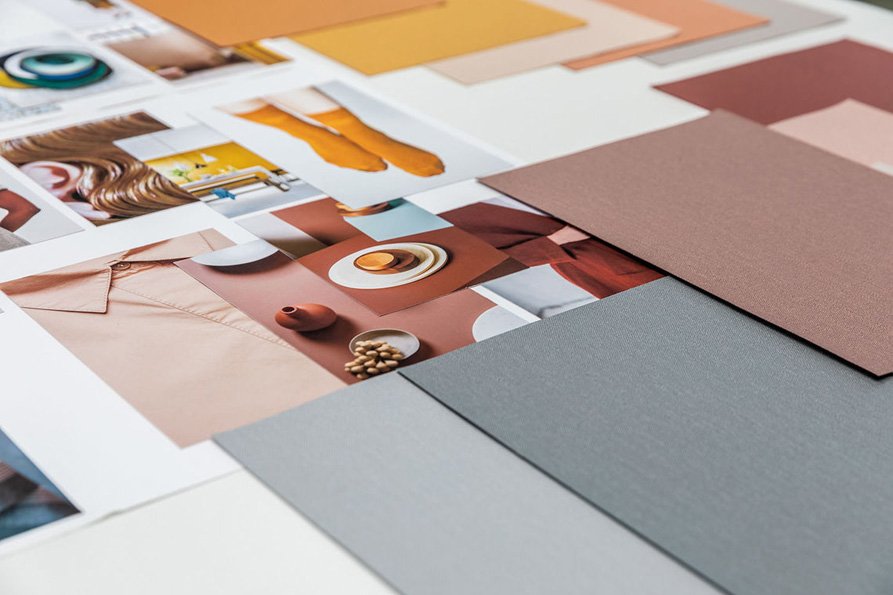
全抛釉瓷砖是一种在整个瓷砖表面都施加了釉料的瓷砖。它在装饰效果和使用性能上有着独特的优点,但同时也存在一些缺点。本文将从几个方面对全抛釉瓷砖的优缺点进行分析和阐述。
1. 定义和分类
全抛釉瓷砖是指在制造过程中将釉料覆盖在瓷砖的整个表面,而不仅仅是在表面层上施釉。根据其表面纹理和装饰效果的不同,全抛釉瓷砖可分为光面全抛釉瓷砖、亚光全抛釉瓷砖和石纹全抛釉瓷砖等。
2. 优点
全抛釉瓷砖的优点主要表现在以下几个方面。
全抛釉瓷砖具有较强的装饰性。由于整个瓷砖表面都采用了釉料处理,使其拥有丰富的颜色和纹理选择,可以满足不同风格和需求的装饰要求。全抛釉瓷砖的表面平整光滑,能够反射光线,增加空间感和亮度。
全抛釉瓷砖具有良好的耐磨性和耐酸碱性。由于表面釉料的覆盖,使得瓷砖更加坚固耐用,不易磨损和腐蚀。这使得全抛釉瓷砖适用于高使用频率和酸碱环境较为恶劣的场所,如商业区、酒店大堂和厨房等。
全抛釉瓷砖容易清洁。由于表面釉料的处理,使得瓷砖表面不易吸附灰尘和污渍,可以通过简单的清洁工作轻松维护,不需要使用过多的清洁剂和时间。这使得全抛釉瓷砖成为家庭和公共场所的理想选择。
3. 缺点
全抛釉瓷砖也存在一些缺点。
全抛釉瓷砖价格较高。与传统的釉面瓷砖相比,全抛釉瓷砖制造工艺更加复杂,成本也相对较高。这使得全抛釉瓷砖相对更加昂贵,不适合在预算有限的项目中大面积使用。
全抛釉瓷砖易受划伤。虽然全抛釉瓷砖具有较高的耐磨性,但其表面仍然容易受到尖锐物体的划伤。在使用过程中需要注意避免使用硬物直接刮擦瓷砖表面,以免影响美观度和使用寿命。
全抛釉瓷砖具有较强的装饰性、良好的耐磨性和耐酸碱性,容易清洁等优点。全抛釉瓷砖的高价格和易受划伤等缺点也需要引起我们的重视和注意。在选择和使用全抛釉瓷砖时,需综合考虑其特点和实际需求,以达到最佳的装饰效果和使用效果。
The Pros and Cons of Full Polished Porcelain Tiles
Introduction:
Full polished porcelain tiles are tiles that have been glazed on the entire surface. They have unique advantages in terms of decorative effect and performance, but also have some disadvantages. This article will analyze and elaborate on the pros and cons of full polished porcelain tiles from several aspects.
Body:
1. Definition and Classification
Full polished porcelain tiles refer to tiles that have glaze covering the entire surface during the manufacturing process, rather than only on the surface layer. Depending on the surface texture and decorative effect, full polished porcelain tiles can be categorized into glossy full polished porcelain tiles, semi-gloss full polished porcelain tiles, and stone-patterned full polished porcelain tiles, etc.
2. Pros
The advantages of full polished porcelain tiles are mainly manifested in several aspects.
Firstly, full polished porcelain tiles have a strong decorative effect. The application of glaze on the entire surface of the tile provides a wide range of color and texture choices, meeting various styles and decorative requirements. Moreover, the surface of full polished porcelain tiles is smooth and reflective, increasing the sense of space and brightness.
Secondly, full polished porcelain tiles have excellent wear resistance and acid-alkali resistance. The glaze treatment on the surface enhances the durability of the tiles, making them less prone to wear and corrosion. This makes full polished porcelain tiles suitable for high-traffic areas and environments with harsh acid-alkali conditions, such as commercial areas, hotel lobbies, and kitchens.
Additionally, full polished porcelain tiles are easy to clean. The glaze treatment on the surface prevents the tiles from absorbing dust and stains, allowing for easy maintenance with simple cleaning work and without the need for excessive cleaning agents and time. This makes full polished porcelain tiles an ideal choice for both households and public places.
3. Cons
However, full polished porcelain tiles also have some disadvantages.
Firstly, full polished porcelain tiles are relatively expensive. Compared to traditional glazed tiles, the manufacturing process of full polished porcelain tiles is more complex, resulting in higher costs. This makes full polished porcelain tiles relatively more expensive and less suitable for large-scale use in projects with limited budgets.
Secondly, full polished porcelain tiles are prone to scratching. Although full polished porcelain tiles have high wear resistance, their surfaces can still be easily scratched by sharp objects. Therefore, attention should be paid to avoiding direct scratching on the tile surface with hard objects during use, so as not to affect the aesthetics and service life.
Conclusion:
In conclusion, full polished porcelain tiles have strong decorative effect, good wear resistance, acid-alkali resistance, and easy cleaning, among other advantages. However, the high price and susceptibility to scratching should also be considered. When choosing and using full polished porcelain tiles, it is necessary to comprehensively consider their characteristics and actual needs in order to achieve the best decorative and functional effects.