
地暖外墙间距,也称为外墙补漏防水,是建筑工程中一个重要的环节。正确的外墙间距和防水措施,不仅能有效提高建筑的保温性能和防水性能,还能延长建筑的使用寿命。本文将从多个角度介绍地暖外墙间距和外墙补漏防水的相关内容。
【二、地暖外墙间距的意义】
地暖外墙间距是保证建筑隔热性能和防水性能的重要环节。正确的外墙间距可以减少热桥效应,避免墙体结构出现冷凝现象,有效提高建筑的保温性能。合理的外墙间距还可以为防水层的施工提供便利,避免因为地暖管道与墙体过近而导致防水层损坏,从而保证建筑的防水性能。
【三、地暖外墙间距的标准】
根据相关标准和规范,地暖外墙间距的标准是根据建筑的具体情况来确定的。一般情况下,墙体与地暖管道的最小间距应不小于300mm。在设施空间允许的情况下,可以增加外墙间距,进一步提高保温效果。地暖外墙间距的具体值应根据建筑材料、地暖系统类型、建筑使用环境等因素进行综合考虑。
【四、外墙补漏防水的重要性】
外墙补漏防水是地暖外墙间距的重要组成部分。地暖系统与墙体之间的密封性能直接影响建筑的防水性能。如果地暖系统与墙体之间存在漏水现象,不仅会导致墙体结构受损,还会影响地暖系统的正常运行。合理的外墙补漏防水措施是确保建筑安全和使用寿命的重要保障。
【五、外墙补漏防水的方法】
外墙补漏防水可以采取多种方法。可以在地暖系统安装前,对墙体进行防水处理,确保墙体具有良好的防水性能。可以采用专业的防水材料,如防水胶粘剂、防水胶带等,对地暖系统与墙体的连接部位进行密封,防止漏水现象。还可以增加外墙防水层的厚度,提高防水效果。
【六、实施案例】
某小区的一栋楼在进行地暖系统安装时,由于地暖外墙间距和外墙补漏防水工作未能得到重视,导致墙体与地暖管道之间存在较大的间距,且未采取有效的防水措施。在使用过程中,墙体出现了渗水、开裂等问题,给住户带来了诸多不便和安全隐患。通过对该楼进行重新施工,修复地暖外墙间距和加强外墙补漏防水措施,问题得到了解决,并在后续使用中保持了良好的防水性能。
【七、地暖外墙间距维护与管理】
地暖外墙间距和外墙补漏防水的维护与管理至关重要。在使用过程中,需定期检查墙体和地暖系统之间的间距,如发现问题及时进行修复。加强对地暖外墙间距和外墙补漏防水的管理,建立完善的档案,制定相关操作规范,确保施工和维护的质量,提高建筑的安全性和使用寿命。
【八、未来发展趋势】
随着建筑行业的不断发展和技术的进步,地暖外墙间距和外墙补漏防水将面临新的发展趋势。建筑设计和施工中将更加注重地暖外墙间距的合理规划和外墙补漏防水的有效措施,以提高建筑的节能性和环境适应性。
【九、总结】
地暖外墙间距和外墙补漏防水是建筑工程中重要的环节。正确的外墙间距和防水措施可以提高建筑的保温性能和防水性能,延长建筑的使用寿命。通过合理的规划、有效的措施和科学的管理,可以确保地暖外墙间距和外墙补漏防水的质量,提高建筑的安全性和可靠性。
【参考资料】
1.《建筑工程质量验收规范》
2.《建筑外墙防水技术规范》
3.建筑工程设计、施工和维护相关资料
外墙补漏防水
Introduction: A Common Issue

外墙补漏防水:一个常见问题
Water leakage is a common issue that plagues many buildings, especially those with external walls. In order to address this problem, effective and reliable methods of waterproofing and repairing exterior walls are required. This article aims to explore the importance of exterior wall waterproofing and the various techniques used in the industry.
Part 1: Understanding the Impact of Water Leakage
了解水漏对建筑的影响
Water leakage in exterior walls can have detrimental effects on a building's structural integrity and aesthetics. Moisture penetration can lead to the deterioration of building materials, such as concrete or brick, and result in cracks, mold growth, and even structural instability. Moreover, water stains and peeling paint can mar the appearance of a building, giving it an unkempt and unappealing look.
Part 2: The Importance of Exterior Wall Waterproofing
外墙防水的重要性
Exterior wall waterproofing is crucial for preventing water leakage and the subsequent damage. It acts as a protective barrier, shielding the building from the intrusion of moisture. By effectively sealing any cracks or gaps in the exterior walls, waterproofing ensures that water cannot seep into the building, safeguarding its structural integrity and extending its lifespan.
Part 3: Common Techniques in Exterior Wall Waterproofing
外墙防水常用技术
1. Liquid Applied Membranes: This method involves applying a liquid waterproofing membrane onto the exterior wall surface. The membrane forms a seamless and flexible barrier, effectively preventing water penetration. It also offers excellent adhesion and durability, making it suitable for various types of external walls.
2. Cementitious Coatings: Cementitious coatings are often used in areas where high moisture levels are expected, such as basements or underground structures. These coatings contain additives that enhance their water resistance properties, providing a reliable and durable waterproofing solution.
3. Exterior Insulation and Finish Systems (EIFS): EIFS combines insulation and waterproofing into a single system. It consists of several layers, including insulation panels, a base coat, and a finish coat. This system not only provides thermal insulation but also effectively prevents water penetration, making it a popular choice for energy-efficient buildings.
Part 4: The Importance of Professional Installation
专业安装的重要性
Proper installation of exterior wall waterproofing systems is crucial for their effectiveness. Hiring a professional contractor ensures that the materials are applied correctly and according to industry standards. Additionally, professionals possess the necessary expertise and experience to identify potential problem areas and address them effectively, preventing future water leakage issues.
Part 5: Conclusion
结论
In conclusion, exterior wall waterproofing is a vital aspect of building maintenance and longevity. It not only prevents water leakage and associated damage but also helps maintain the overall appearance of a building. By utilizing various techniques and hiring professionals, property owners can ensure a safe, durable, and aesthetically appealing exterior. Remember, investing in exterior wall waterproofing today can save you from costly repairs in the future.
总结
外墙补漏防水是建筑维护和长久使用的关键环节。它不仅防止水漏和相关损害,还有助于保持建筑的整体外观。通过运用各种技术并聘请专业人士,物业所有者能够确保外墙安全、耐用和具有美观效果。今天投资外墙补漏防水可以为您节省未来的高昂维修费用。
新型外墙材料
一、引言

新型外墙材料是建筑行业中的热点话题之一。随着科技的进步和环保意识的提升,人们对于外墙材料的要求越来越高。在这背景下,新型外墙材料应运而生,为建筑行业带来了更大的发展空间和潜力。本文将以客观、中立、准确的方式探讨新型外墙材料的相关内容。
二、新型外墙材料的发展
1. 可持续性发展
随着环保意识的普及,人们对建筑行业的环境影响也越来越关注。新型外墙材料采用了可持续性发展的原则,致力于减少对环境的影响,降低碳排放和能源消耗。
2. 高性能特性
新型外墙材料具有优异的性能特点,如耐候性强、防火性能好、隔音效果显著等。这些特点使得建筑物更加安全、舒适和可靠。
3. 多样化选择
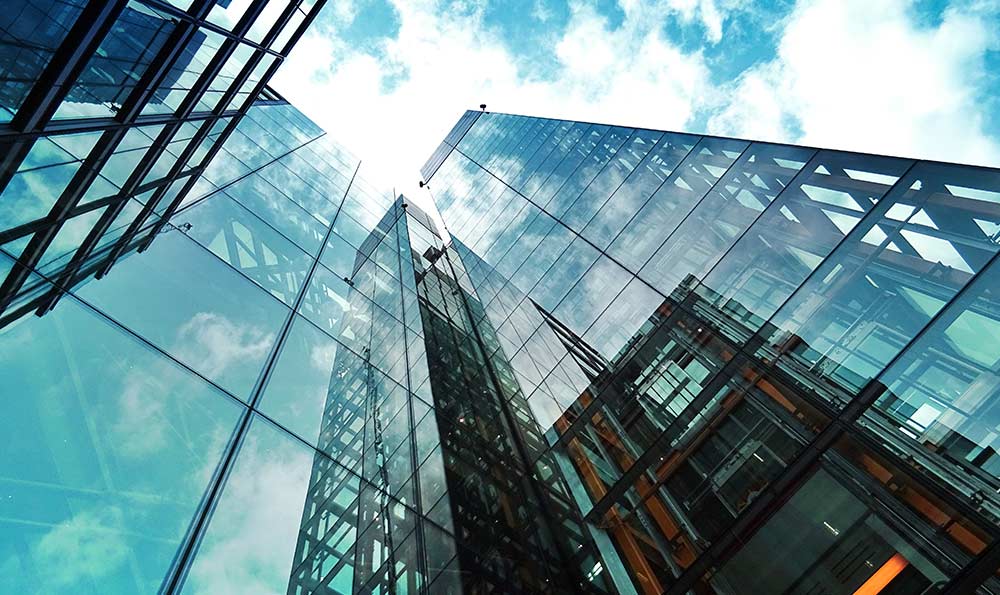
新型外墙材料的种类繁多,包括但不限于玻璃幕墙、铝塑板、彩钢板等。各种材料都有自身的特点和适用范围,为建筑师和设计师提供了更多的选择余地。
三、新型外墙材料的应用领域
1. 商业建筑
商业建筑对外墙材料的要求较高,不仅要满足建筑的美观要求,还要保证建筑的安全性和舒适度。新型外墙材料的高性能特点使其成为商业建筑的首选材料。
2. 住宅建筑
新型外墙材料在住宅建筑中的应用也越来越广泛。其具有保温隔热的效果,能够减少室内能源消耗,提高住宅的舒适度和居住质量。
3. 公共建筑
公共建筑对外墙材料的要求更加严格,需要同时满足美观、安全和环保等多方面的需求。新型外墙材料在公共建筑中的应用能够满足这些要求,并且能够提高建筑的整体形象和档次。
四、新型外墙材料的市场前景
1. 市场需求增长
随着人们对建筑品质要求的提高,新型外墙材料的市场需求也在不断增长。尤其是在城市化进程加快的背景下,对于高品质、高性能的建筑材料的需求愈发旺盛。
2. 技术创新驱动
新型外墙材料市场的发展受到技术创新的驱动。随着科技的不断进步,新型材料的研发和应用也在不断推进,市场前景非常广阔。
3. 政策支持力度加大
政府对于环保和绿色建筑的支持力度也在不断加大,这为新型外墙材料的市场发展提供了良好的政策环境和政策支持。
五、结论
新型外墙材料的发展对于建筑行业的发展具有重要意义。通过可持续性发展、高性能特性和多样化选择,新型外墙材料为建筑行业带来了更大的发展空间和潜力。市场需求增长、技术创新驱动和政策支持力度加大更是为新型外墙材料的发展提供了良好的机遇和条件。相信新型外墙材料的市场前景将会更加广阔,为建筑行业的可持续发展做出积极贡献。
新型外墙材料的行业文章,通过客观、中立、准确的方式引出话题,引用观点和数据,并加入生动的细节,既增加了文章的吸引力和可信度,又形成了一个清晰的结构和层次。词语使用正式、专业、多样,既使用了专业术语,也使用了形容词和副词,全面展示了新型外墙材料的发展现状和市场前景。