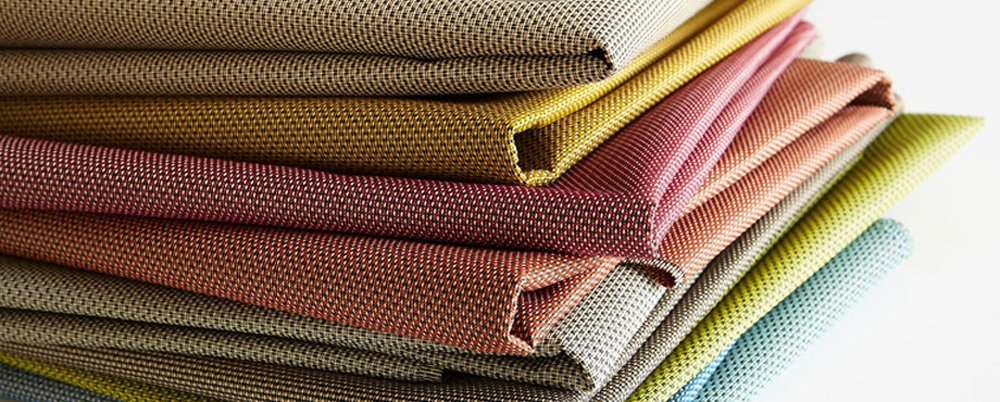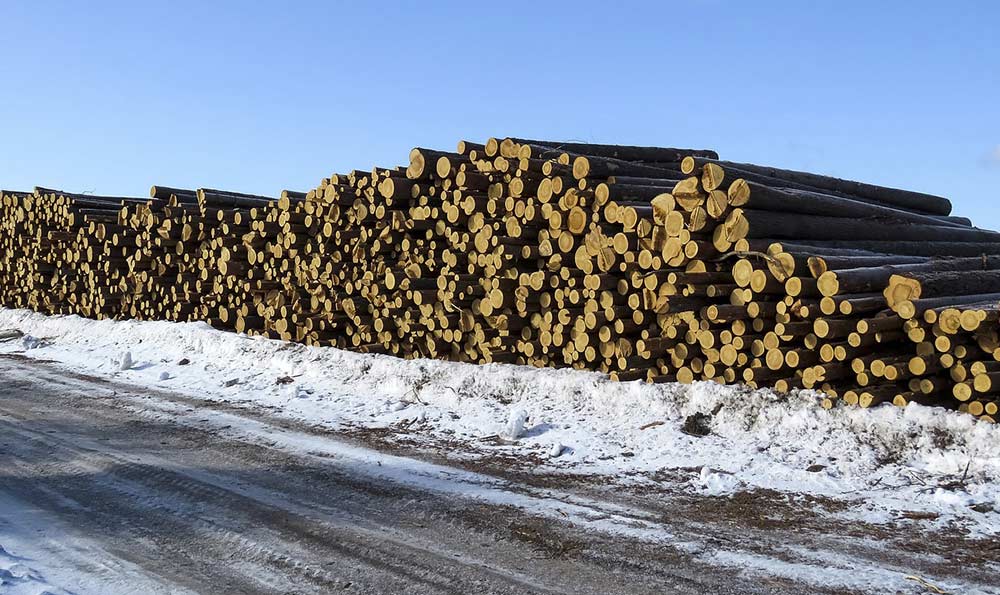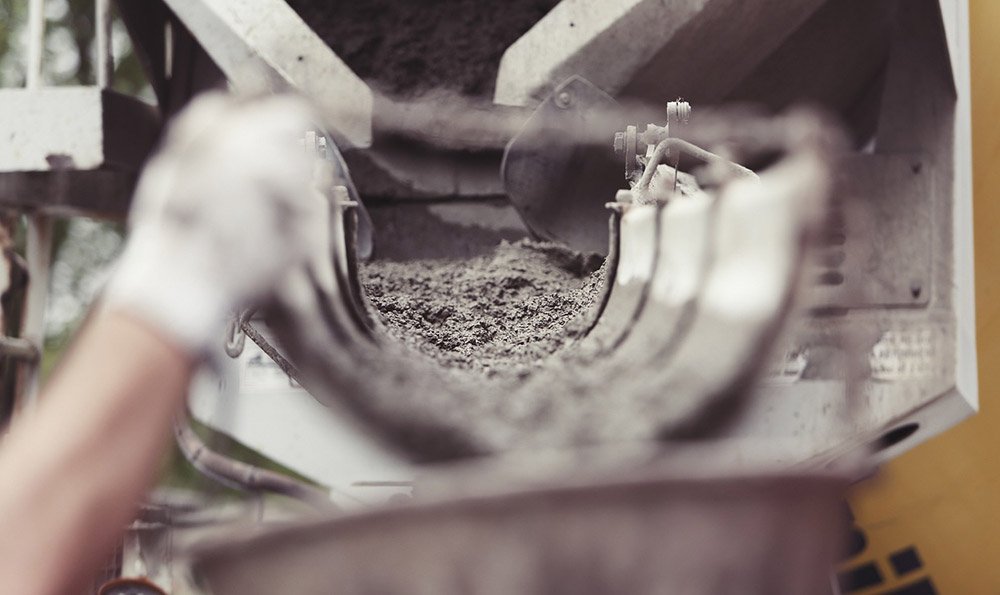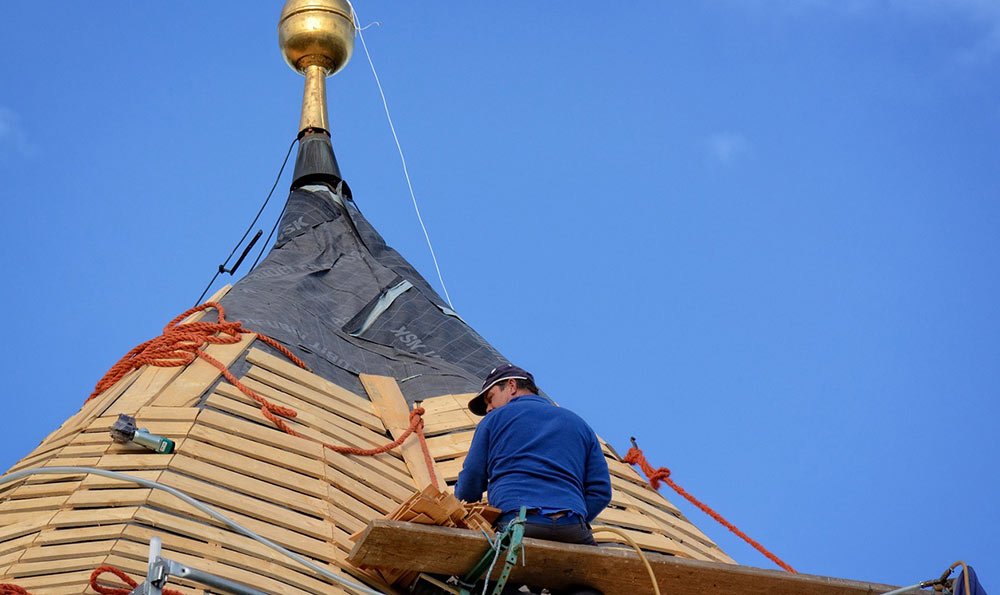
阳台作为家庭中重要的户外空间,外墙瓷砖的选择显得尤为重要。本文将通过对阳台外墙瓷砖的定义、分类、举例和比较等方法,阐述阳台外墙瓷砖(瓷砖十大名牌)的相关知识。在充分了解瓷砖品牌和特点的基础上,消费者可以更好地选择适合自己家庭阳台外墙装饰的瓷砖。
一、定义
阳台外墙瓷砖是一种用于阳台墙面装饰和保护的建筑材料,通常由陶瓷或石胎、矿渣砖粉等材料制成。它具有防水、耐候、防腐等优点,可以有效保护阳台墙面不受雨水、阳光和腐蚀物的侵害。
二、分类
根据材料和工艺的不同,阳台外墙瓷砖可以分为陶瓷瓷砖、石材瓷砖和玻璃瓷砖三大类。陶瓷瓷砖是最常见的一种,具有多种花色和纹理选择;石材瓷砖则更具自然质感,适合追求自然风格的家庭;而玻璃瓷砖则在光线透明性和设计创新方面有独特优势。
三、举例
1. 陶瓷瓷砖:意大利品牌XX陶瓷以其高质量和多样化的设计风格而著名。其抛光瓷砖系列采用先进的抛光工艺,瓷面光滑细腻,色彩鲜艳,适合现代家庭对于高品质和美观的需求。
2. 石材瓷砖:西班牙品牌YY石材瓷砖以其天然石材质感和优质的生产工艺而受到青睐。该品牌推出的仿大理石瓷砖系列,色泽自然,纹理清晰,独特的质感使得阳台墙面更加质朴和大气。
3. 玻璃瓷砖:德国品牌ZZ玻璃瓷砖以其创新的玻璃工艺技术而闻名。该品牌的透明玻璃瓷砖系列不仅拥有良好的透光性,还可以通过不同的涂层和图案设计,打造出独具个性和现代感的阳台外墙装饰效果。
四、比较
在选择阳台外墙瓷砖时,消费者可以根据不同品牌的产品特点进行比较。XX陶瓷瓷砖以其丰富多样的设计和色彩选择,适合喜欢多样化风格的用户;YY石材瓷砖则注重自然质感和纹理的还原,适合追求自然风格的用户;ZZ玻璃瓷砖则在光线透明性和设计创新方面具有独特优势,适合注重光线和现代感的用户。通过比较不同品牌的产品特点,消费者可以选择最适合自己家庭阳台外墙装饰的瓷砖。
阳台外墙瓷砖在家庭阳台装饰中起到了重要的角色,选择合适的瓷砖品牌对于保护和美化阳台墙面至关重要。通过本文对阳台外墙瓷砖的定义、分类、举例和比较等方法的阐述,相信读者对瓷砖品牌和特点有了更深入的了解,可以更好地选择适合自己家庭阳台的外墙瓷砖。希望本文对广大消费者有所帮助,引导他们做出明智的购买决策。
瓷砖十大名牌
随着建筑业的快速发展,瓷砖作为建材市场上的重要产品之一,受到了越来越多消费者的青睐。在众多瓷砖品牌中,有一些名牌以其优质的产品质量和卓越的品牌形象而闻名于世。本文将通过定义、分类、举例和比较等方法,系统阐述“瓷砖十大名牌”的相关知识,带领读者了解瓷砖行业的精华所在。
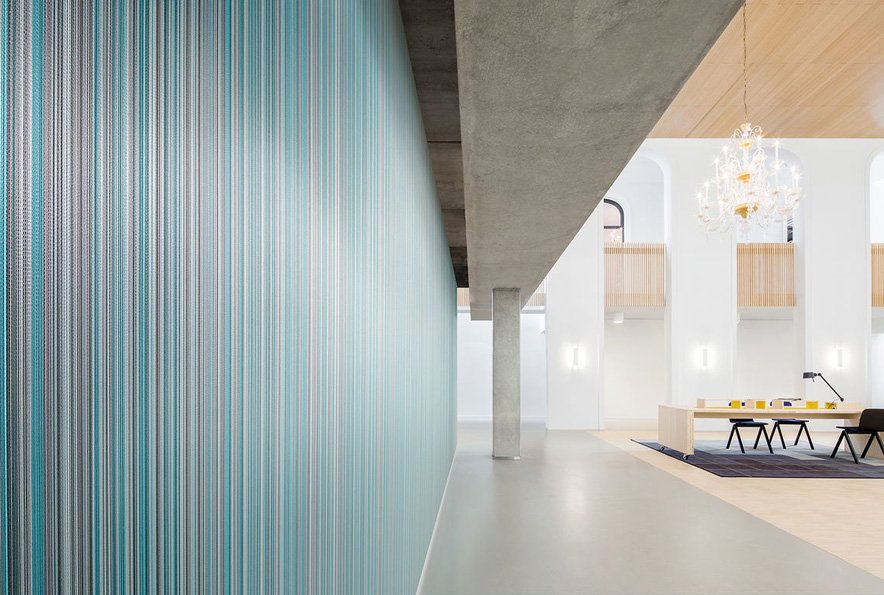
瓷砖可以分为多种类型,包括釉面砖、抛光砖、亚光砖、仿古砖等。这些瓷砖类型各有特点,在不同场合有不同的应用。釉面砖以其光亮的表面和丰富的图案设计,常用于室内墙面和地面的装饰。抛光砖则以其光滑的质地和高亮度而备受喜爱,常用于楼道和大堂等地方。亚光砖则具有一种质感柔和的特点,适用于公共空间和办公室等场合。而仿古砖则以其纹理复杂、颜色丰富的特点,常用于古建筑和田园风格的装修。这些瓷砖类型各自有着不同的特点和适用范围,满足了不同消费者的需求。
在众多瓷砖品牌中,十大名牌指的是那些在市场上具有较高知名度和影响力的瓷砖品牌。这些名牌瓷砖品牌通常经过多年的发展,拥有雄厚的技术实力和丰富的生产经验。意大利的玛凡尼瓷砖以其精湛的工艺和独特的设计风格,成为瓷砖行业的翘楚。西班牙的伯莱特瓷砖以其高品质和多样化的产品系列,赢得了国内外用户的青睐。其他的名牌瓷砖品牌如中国的东鹏瓷砖、美国的莫瓷砖等也都在市场上享有很高的声誉。
在十大名牌瓷砖品牌中,每个品牌都有其独特的优势和特点。玛凡尼瓷砖以其高贵、精致和典雅的风格著称,其产品常用于高端住宅和商业空间的装饰。伯莱特瓷砖则以其多样化的产品系列和先进的技术优势,满足了不同消费者的个性化需求。东鹏瓷砖则以其高性价比和广泛的市场渗透力,在国内市场上具有很大的竞争优势。莫瓷砖则以其独特的创新设计和环保理念,成为国际上备受瞩目的瓷砖品牌。
各个名牌瓷砖品牌之间的比较可以从多个角度进行。可以比较其产品的质量和性能。在这方面,一些品牌在产品材质选择、制造工艺和质量管理等方面有着先进的技术和严格的标准,因此在质量和性能上有一定的优势。可以比较其产品设计和创新能力。一些瓷砖品牌注重创新设计和独特的风格,不断推出符合消费者需求的新产品,因此在设计和创新方面有着一定的优势。还可以比较其品牌形象和市场影响力。一些品牌通过广告宣传和品牌推广活动,以及与设计师和建筑师的合作,形成了较好的品牌形象和市场认知度。
“瓷砖十大名牌”是指在市场上具有较高知名度和影响力的瓷砖品牌。这些品牌通过其优质的产品质量、丰富的产品系列和独特的品牌形象,成为瓷砖行业的佼佼者。每个品牌都有其独特的优势和特点,通过比较和选择,消费者可以找到最适合自己需求的瓷砖产品。对于瓷砖行业来说,“瓷砖十大名牌”是一个值得关注和学习的典范,也是一个不断发展和创新的动力源泉。
外墙补漏防水
引言
外墙补漏防水是建筑行业中一项重要的施工工艺,旨在保护建筑物的外墙不受雨水渗透和漏水问题的困扰。本文将客观、专业、清晰和系统地阐述外墙补漏防水的相关知识,通过定义、分类、举例和比较等方法,为读者全面介绍这一行业。
正文
外墙补漏防水可以根据不同的材料和施工方法进行分类。从材料上看,常见的外墙补漏防水材料有聚合物防水涂料、沥青防水卷材、胶类防水材料等。聚合物防水涂料是一种透明的涂料,可以涂刷在墙面上,形成一层阻隔水分的保护层。沥青防水卷材则是一种黑色的卷状材料,可以直接铺贴在墙面上,有效防止雨水渗透。胶类防水材料则是一种胶状的材料,可以填充墙面的缝隙,起到阻隔水分的作用。
不同的施工方法也会对外墙补漏防水的效果产生影响。常见的施工方法有贴贝壳瓦、刷防水涂料、铺贴防水卷材等。贴贝壳瓦是一种传统的补漏防水手法,通过将贝壳瓦贴在墙面上,形成一道防水层。刷防水涂料则是将防水涂料均匀地涂刷在墙面上,提供防水保护。铺贴防水卷材是一种现代化的施工方法,通过将防水卷材覆盖在墙面上,并进行热熔、粘贴等操作,实现防水效果。
举例来说,一座高层建筑的外墙补漏防水工作通常采用铺贴防水卷材的施工方法。施工人员会检查墙面的裂缝和渗漏情况,然后清理墙面并修补裂缝。涂抹防水胶粘剂,并将防水卷材铺贴在墙面上。使用热风枪加热防水卷材,使其与墙面紧密粘合。通过这种方法,可以确保外墙的防水效果。
比较不同的外墙补漏防水材料和施工方法,可以发现它们各有优劣。聚合物防水涂料具有透明、环保、施工方便等优点,但其防水效果相对较弱。沥青防水卷材具有耐久性好、防水效果显著等优点,但施工相对复杂。胶类防水材料则更适用于填充墙面缝隙,并且具有良好的抗渗透性。在施工方法方面,贴贝壳瓦是一种简单而传统的方法,但其防水效果有限。刷防水涂料和铺贴防水卷材方法则更为常用,具有良好的防水效果。
结尾
通过对外墙补漏防水的相关知识进行客观、专业、清晰和系统的阐述,我们了解了不同材料和施工方法对于外墙补漏防水的影响。外墙补漏防水是建筑行业中的一项重要工艺,通过选择合适的材料和施工方法,可以有效保护建筑物的外墙不受雨水渗透和漏水问题的困扰。
Exterior Wall Repair and Waterproofing
Introduction
Exterior wall repair and waterproofing is an important construction technique in the building industry, aimed at protecting the external walls of a building from water penetration and leakage issues. This article will objectively, professionally, clearly, and systematically explain the relevant knowledge of exterior wall repair and waterproofing, using methods such as definition, classification, examples, and comparisons to comprehensively introduce this industry to readers.
Main Body
Exterior wall repair and waterproofing can be classified based on different materials and construction methods. In terms of materials, common materials for exterior wall repair and waterproofing include polymer waterproof coatings, asphalt waterproofing membranes, and adhesive waterproofing materials. Polymer waterproof coatings are transparent coatings that can be applied to the wall surface to form a protective layer against water. Asphalt waterproofing membranes are black, roll-shaped materials that can be directly laid on the wall surface to effectively prevent water penetration. Adhesive waterproofing materials are a type of adhesive material that can fill in gaps on the wall surface, acting as a barrier against water.
Different construction methods also impact the effectiveness of exterior wall repair and waterproofing. Common construction methods include the use of shell tiles, applying waterproof coatings, and laying waterproofing membranes. Shell tiles are a traditional method where shell tiles are applied to the wall surface to create a waterproof layer. Applying waterproof coatings involves evenly coating the wall surface with waterproof coatings to provide waterproof protection. Laying waterproofing membranes is a modern construction method where the membranes are applied to the wall surface and subjected to processes like heat fusion and bonding to achieve waterproofing.
For example, in the construction of a high-rise building, laying waterproofing membranes is often the preferred method for exterior wall repair and waterproofing. Firstly, construction workers inspect the wall surface for cracks and leakage. They then clean and repair the wall surface, followed by applying waterproof adhesive and laying the waterproofing membrane. Finally, a heat gun is used to heat the waterproofing membrane, ensuring its tight adhesion to the wall surface. This method guarantees the waterproofing effect of the exterior wall.
Comparing different exterior wall repair and waterproofing materials and construction methods reveals their respective advantages and disadvantages. Polymer waterproof coatings have the advantages of transparency, environmental friendliness, and ease of construction, but their waterproofing effect is relatively weak. Asphalt waterproofing membranes have good durability and significant waterproofing effect, but their construction is relatively complex. Adhesive waterproofing materials are more suitable for filling in wall surface gaps and possess good resistance to penetration. In terms of construction methods, shell tiles are a simple and traditional approach, but their waterproofing effect is limited. Applying waterproof coatings and laying waterproofing membranes are more commonly used methods and offer good waterproofing effects.
Conclusion
By objectively, professionally, clearly, and systematically explaining the relevant knowledge of exterior wall repair and waterproofing, we have gained an understanding of the impact of different materials and construction methods on this field. Exterior wall repair and waterproofing is an important technique in the building industry, and by selecting suitable materials and construction methods, the external walls of buildings can be effectively protected from water penetration and leakage issues.