
雨棚与墙面接缝处理,常被称为墙面找平神器,是一种常见的行业技术。它的主要作用是填补雨棚与墙面之间的空隙,使其接缝处更加平整、美观。本文将通过定义、分类、举例和比较等方法,详细阐述雨棚与墙面接缝处理的相关知识。
一、雨棚与墙面接缝处理的定义
雨棚与墙面接缝处理,指的是在雨棚与墙面的连接处进行填补和修整,使之形成一个无缝、平整的接缝。这一技术可以用于住宅、商业建筑等各类建筑物,为墙面增加了整体美观度和防水性能。
二、雨棚与墙面接缝处理的分类
雨棚与墙面接缝处理可以根据不同的方法和材料进行分类。主要有以下几种类型:
1. 灌浆填缝:使用特定的硅酸盐灌浆材料,将其注入接缝处,待干后形成平整的表面。
2. 膨胀胶带填缝:通过在接缝处粘贴膨胀性胶带,利用胶带膨胀的特性填补接缝。
3. 阻隔条填缝:在接缝处安装阻隔条,以隔绝雨棚水分与墙面之间的接触,达到防水的效果。
三、雨棚与墙面接缝处理的应用举例
1. 住宅建筑:在住宅建筑中,雨棚与墙面接缝处理可以修整房屋外部的墙面,增加建筑物的整体美观度。它还可以提供防水功能,减少水分渗透对墙体造成的损坏。
2. 商业建筑:商业建筑通常要求外立面具有较高的装饰性和整体效果。雨棚与墙面的接缝处理可以使建筑物外观更加一体化,提升商业形象和吸引力。
3. 公共建筑:公共建筑,如学校、医院等,人流量大,墙面易受到摩擦和磨损。通过雨棚与墙面接缝处理,可以保护墙面免受外部环境的影响,延长建筑物使用寿命。
四、雨棚与墙面接缝处理与其他方法的比较
与传统的填缝材料相比,雨棚与墙面接缝处理具有以下优势:
1. 防水性能更好:雨棚与墙面接缝处理采用专业的防水材料,能够更好地防止水分渗透。
2. 效果更持久:接缝处理后的雨棚与墙面能够长时间保持平整和美观,不易出现开裂或变形现象。
3. 施工更快捷:使用专业工具和材料进行接缝处理,施工速度更快,减少工期。
雨棚与墙面接缝处理作为一种重要的行业技术,不仅能够提高建筑物的外观美观度,还能够增加其防水性能。通过定义、分类、举例和比较等方法,我们对雨棚与墙面接缝处理的相关知识有了更清晰的了解。这一技术的应用范围广泛,对于住宅、商业建筑和公共建筑等不同类型的建筑物都具有重要意义。
墙护角用什么材料好
引言
墙护角作为建筑物外墙装饰和保护的重要部分,起到保护角部、增强墙体稳定性和美化外观的作用。选择合适的材料对于墙护角的功能发挥至关重要。本文将就墙护角材料的选择提供客观、专业、清晰和系统的分析,旨在为广大读者提供有益的参考。
正文
1. PVC材料
PVC材料是一种常见的墙护角材料,具有耐磨、耐腐蚀、防腐性好等特点。PVC墙护角材料表面光滑,易于清洁和保养,同时还具备一定的柔韧性,能够有效承受外力冲击。PVC材料的安装方便,成本相对较低,是一种性价比较高的墙护角材料。
2. 金属材料
金属材料如铝合金和不锈钢常被用于墙护角的制作。这些材料具有优异的耐用性和抗氧化性能,能够有效防止因墙角受损而引起的问题。金属材料的外观精美,同时还具备一定的装饰效果,能够提升建筑物的整体品质。金属材料的安装相对复杂,需要专业施工人员进行,成本也相对较高。
3. 复合材料
复合材料是由两种或多种材料通过一定的方法和工艺结合而成的材料。墙护角常用的复合材料包括PVC与金属材料的复合、聚氨酯与金属材料的复合等。这些复合材料综合了各自材料的优点,具有耐用、防腐、耐磨等性能,能够满足墙护角的各种需求。复合材料的成本相对较高,需要考虑实际需求和预算。
4. 石膏材料
石膏材料是一种环保、易塑性的材料,被广泛应用于墙护角的装饰和保护。石膏材料的特点是轻质、吸音性好、不易开裂和经济实用。石膏材料还具备良好的装饰效果,可以根据个人喜好进行设计和施工。石膏材料的防水性能较差,需要加强防水措施才能保证长期使用效果。
结尾
在选择墙护角材料时,需要根据实际需求和预算来进行综合考虑。PVC材料具有成本低、安装方便等优点;金属材料耐久性好、装饰效果佳;复合材料兼具各种材料的优点;石膏材料环保且易塑性。在决策时,应权衡各种因素,选择最适合自己需求的墙护角材料。
What materials are good for wall protection corners
Introduction
As an important part of exterior wall decoration and protection, wall protection corners play a role in protecting the corner, enhancing the stability of the wall, and beautifying the appearance. It is crucial to choose the right material to ensure the proper functioning of wall protection corners. This article aims to provide an objective, professional, clear, and systematic analysis of the selection of wall protection corner materials, in order to provide valuable references for readers.
Body
1. PVC Material
PVC material is a common material used for wall protection corners. It has characteristics such as wear resistance, corrosion resistance, and good anti-corrosion properties. PVC wall protection corner material has a smooth surface, making it easy to clean and maintain. At the same time, it has a certain degree of flexibility to effectively withstand external impacts. In addition, PVC material is easy to install and has a relatively low cost, making it a cost-effective wall protection corner material.
2. Metal Materials
Metal materials such as aluminum alloy and stainless steel are commonly used in the production of wall protection corners. These materials have excellent durability and oxidation resistance, effectively preventing problems caused by damage to the corners. Metal materials have a beautiful appearance and also have a certain decorative effect, enhancing the overall quality of the building. However, the installation of metal materials is relatively complex and requires professional construction personnel, resulting in higher costs.
3. Composite Materials
Composite materials are made by combining two or more materials through specific methods and processes. Common composite materials used for wall protection corners include PVC and metal composites, as well as polyurethane and metal composites. These composite materials combine the advantages of each material, with durability, anti-corrosion, and wear resistance, meeting various needs of wall protection corners. However, composite materials have relatively higher costs and need to consider practical requirements and budgets.
4. Gypsum Materials
Gypsum materials are environmentally friendly and easily moldable, widely used for decorative and protective purposes in wall protection corners. Gypsum materials are lightweight, have good sound absorption, and are not easily cracked, making them economical and practical. At the same time, gypsum materials have excellent decorative effects, allowing for personalized design and construction. However, gypsum materials have poor waterproof performance and require enhanced waterproof measures to ensure long-term effectiveness.
Conclusion
When choosing wall protection corner materials, it is necessary to consider actual needs and budgets. PVC materials have the advantages of low cost and easy installation; metal materials have good durability and decorative effects; composite materials combine the advantages of various materials; gypsum materials are environmentally friendly and easily moldable. When making decisions, various factors should be weighed to select the most suitable wall protection corner material for individual needs.
墙面找平神器
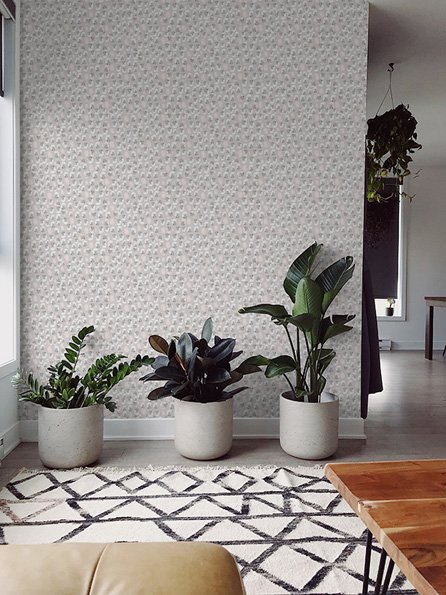
墙面找平是装修中不可或缺的一项工作,它能够解决墙面不平整、开裂等问题,为后续的装修工作提供良好的基础。而实现墙面找平的关键,就是要选用适合的工具和材料。本文将介绍几种被誉为“墙面找平神器”的工具及其特点,帮助读者了解并选择最合适的工具。
一、自流平水泥砂浆
自流平水泥砂浆是一种常见的墙面找平神器。它的特点是具有良好的流动性,能够自动流平并填充墙面的不平整。其使用方法简单,只需将水泥砂浆倒在墙面上,通过自身的流动性自动找平,无需人工施工。自流平水泥砂浆还能够有效修复墙面的细微裂缝,提高墙面的平整度。
二、找平仪
找平仪是一种常用的用于测量墙面平整度的工具。它通常由一个平面板和一个气泡管组成。通过将找平仪平放在墙面上,观察气泡管的位置,可以判断墙面是否平整。找平仪的优点是操作简单、直观,能够快速准确地测量墙面的不平度。在实际施工中,找平仪被广泛应用于墙面找平的验证工作,提高了施工效率和质量。
三、电动找平工具
电动找平工具是一类方便高效的墙面找平神器。它们通常包括电动抹灰机和电动砂光机等,能够快速、均匀地将涂料或砂浆抹平或砂光,使墙面平整。电动找平工具的优点是工作效率高、操作简便,能够快速完成大面积墙面的找平工作,并保证了施工质量。
四、自动找平系统
自动找平系统是一种集成了多种功能的墙面找平神器。它由涂料涂刷机、温湿度控制器、传感器等组成,能够实现墙面涂料的自动涂刷、调节温湿度等功能。自动找平系统的特点是工作效率高、精度高,能够满足大面积墙面涂刷的需求,并提高施工的一致性和质量稳定性。
墙面找平是装修工程中的一项重要工作,选用合适的工具和材料对于施工效率和质量来说至关重要。本文介绍了几种被称为“墙面找平神器”的工具,它们分别是自流平水泥砂浆、找平仪、电动找平工具和自动找平系统。每种工具都有自己独特的特点和适用范围,读者可以根据实际需求选择最合适的工具,提高墙面找平工作的效率和质量。