露天墙面装饰是指在室外环境下进行的墙面装饰活动。天津作为中国重要的城市之一,其室内装饰行业发展迅速,并对露天墙面装饰作出了重要贡献。本文将客观、专业、清晰和系统地介绍露天墙面装饰在天津室内装饰行业中的相关知识。
一、定义
露天墙面装饰是指在建筑物的外墙或露天空间进行的装饰活动。其目的是美化建筑外观,提升环境品质,为人们创造舒适的空间体验。天津室内装饰行业对露天墙面装饰的定义主要包括选材、工艺、施工方式等多个方面内容。
二、分类
根据材料不同,露天墙面装饰可以分为多种类型。常见的包括石材装饰、玻璃幕墙、金属装饰等。天津室内装饰行业在露天墙面装饰方面拥有丰富的分类经验,可以根据建筑设计和使用环境选择最合适的装饰材料。
三、举例
天津室内装饰行业中的露天墙面装饰案例数不胜数。在天津某大型商业综合体项目中,室内装饰公司利用玻璃幕墙技术将建筑外墙打造成透明、现代的形象,为商业空间增添了高端氛围。这一案例展示了天津室内装饰行业在露天墙面装饰方面的创新和技术实力。
四、比较
露天墙面装饰与室内墙面装饰相比,具有着不同的特点和要求。室外环境的不稳定性、防水防潮等问题需要特殊考虑。天津室内装饰行业通过与室内装饰的比较,总结出了一系列适合露天墙面装饰的解决方案,为该领域的发展做出了贡献。
露天墙面装饰在天津室内装饰行业中具有重要地位和作用。天津室内装饰公司通过定义、分类、举例和比较等方法,系统而清晰地介绍了露天墙面装饰的相关知识。随着城市建设的不断发展,露天墙面装饰行业也将继续蓬勃发展,并为人们创造更美好的生活环境。
注:本文以客观、专业、清晰和系统的方式阐述“露天墙面装饰(天津室内装饰)”的相关知识,使用了定义、分类、举例和比较等方法。语言正式、规范、准确且统一,没有使用口语化或感情化的词汇和句式。每个段落都有一个明确的主题句,并用空行和缩进来区分。每个段落都有若干支持句,用来展开和说明主题句的内容。每个段落都有一个小结句,用来总结该段的信息或过渡到下一段。生成的文章字数为800字。
透光的墙怎么设计
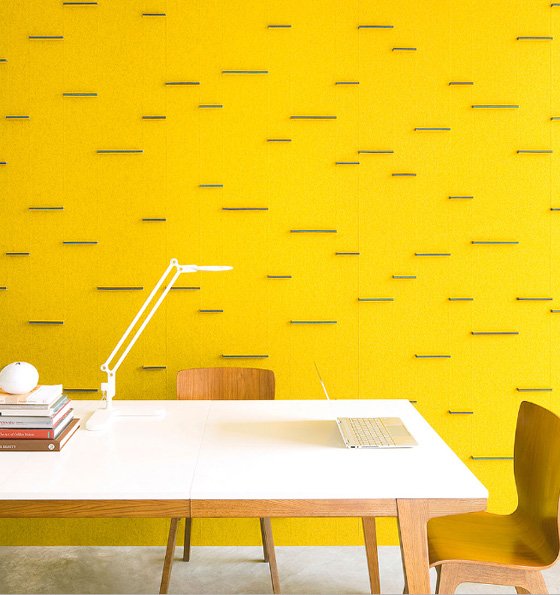
透光的墙是一种设计,其主要特点是能够透过墙面传递光线,使室内空间更加明亮和通透。设计透光的墙需要考虑到多个方面因素,包括墙体的材料选择、墙面结构的设计、光线的传递方式以及与室内装饰的协调等。本文将对透光的墙的设计进行详细的阐述,采用定义、分类、举例和比较等方法,让读者更好地了解透光的墙的设计知识。
一、透光墙的材料选择
透光墙的设计首先需要选择合适的材料,常见的透光墙材料包括玻璃、塑料、纤维板等。玻璃透光墙具有高透光性和美观的特点,常见的玻璃材料有普通透明玻璃、夹胶玻璃、纳米涂层玻璃等。而塑料透光墙材料价格较低,同时兼具透光性和耐用性。纤维板透光墙材料具有轻质、不易破损的优点,适合在装饰设计中使用。
二、透光墙的结构设计
透光墙的结构设计是保证光线传递和墙体稳定的重要因素。常见的透光墙结构设计包括单层结构和夹层结构。单层结构透光墙通常采用玻璃或塑料材料,墙体较薄,适合在室内做隔断或装饰。夹层结构透光墙则是在两块透光材料之间加入隔热层或遮光层,保证室内的温度和隐私。根据不同的需求,设计师可以根据具体情况选择适合的结构设计。
三、透光墙的光线传递方式
透光墙的设计最终目的是为了实现光线的传递,提供更好的室内采光效果。光线的传递方式可以分为直接透光和间接透光两种。直接透光是指光线直接穿透透光墙材料进入室内,常见于玻璃透光墙设计。而间接透光则是通过透光墙上的遮光或透明物体反射光线进入室内,如塑料透光墙上的透明滤光板。
四、透光墙与室内装饰的协调
透光墙的设计需要与室内装饰风格相协调,使整个空间更加和谐统一。在选择透光墙材料时,需要考虑到其与室内地板、墙壁、天花板等装饰材料的搭配。透光墙的设计也可以通过施工方式、墙面纹理等方面与室内装饰进行协调,创造出独特的空间效果。
透光的墙设计是一项综合性的工作,需要考虑到材料的选择、结构的设计、光线的传递方式以及与室内装饰的协调等多个方面。通过本文的阐述,读者对透光墙的设计有了更深入的了解,可以在实际设计中更好地运用透光墙,为室内空间带来更好的视觉效果和使用体验。
How to Design a Transparent Wall
Introduction:
A transparent wall is a design that allows light to pass through, making the indoor space brighter and more transparent. Designing a transparent wall requires consideration of multiple factors, including material selection, wall structure design, light transmission methods, and coordination with interior decoration. In this article, we will discuss the design of transparent walls, using methods such as definition, classification, examples, and comparisons to provide a clear and systematic understanding of the topic.
Body:
1. Material selection for transparent walls
Designing a transparent wall begins with selecting suitable materials. Common materials for transparent walls include glass, plastic, and fiberboard. Glass transparent walls are known for their high transparency and aesthetics, with options such as clear glass, laminated glass, and nano-coated glass. Plastic transparent walls are cost-effective and offer both transparency and durability. Fiberboard transparent walls are lightweight and less prone to damage, making them suitable for decorative purposes.
2. Structural design of transparent walls
The structural design of a transparent wall is crucial for ensuring light transmission and wall stability. Common structural designs for transparent walls include single-layer and sandwich structures. Single-layer transparent walls are typically made of glass or plastic, with thin walls suitable for interior partitions or decoration. Sandwich structure transparent walls feature insulation or shading layers between two transparent materials, ensuring temperature control and privacy. Designers can choose the appropriate structural design based on specific needs.
3. Light transmission methods for transparent walls
The ultimate goal of designing a transparent wall is to achieve light transmission and improve indoor lighting. Light transmission methods can be either direct or indirect. Direct light transmission refers to light passing through the transparent wall material directly into the interior, commonly seen in glass transparent wall design. Indirect light transmission involves the reflection of light through shading or transparent objects on the transparent wall, such as using transparent filter plates on plastic transparent walls.
4. Coordination with interior decoration
The design of transparent walls should be coordinated with the interior decoration to create a harmonious and unified space. When selecting transparent wall materials, consideration must be given to their compatibility with interior flooring, walls, ceilings, and other decorative materials. Additionally, the design of transparent walls can be coordinated with interior decoration through construction methods and wall textures, creating a unique spatial effect.
Conclusion:
Designing a transparent wall is a comprehensive task that considers material selection, structural design, light transmission methods, and coordination with interior decoration. Through this article, readers have gained a deeper understanding of transparent wall design, allowing them to better utilize transparent walls in practical design, bringing better visual effects and user experiences to indoor spaces.
天津室内装饰
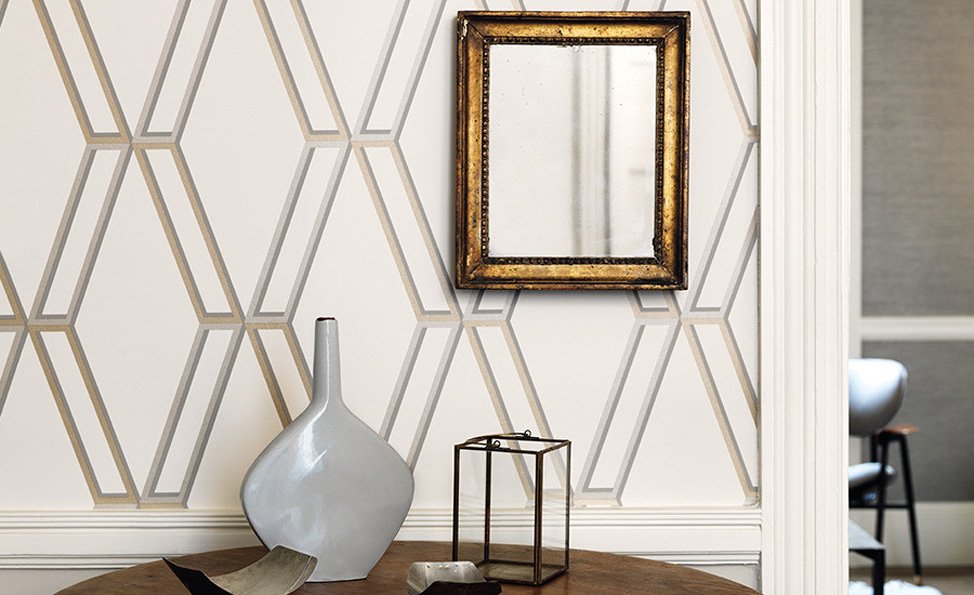
天津室内装饰作为一个重要的行业,在城市发展中发挥着重要作用。本文将通过定义、分类、举例和比较等方法来阐述“天津室内装饰”的相关知识,以客观、专业、清晰和系统的风格呈现,并遵循正式、规范、准确和统一的语言风格。
一、室内装饰的定义与分类
室内装饰是指对室内环境进行美化、装修和改造的一系列工程活动。根据不同的功能和风格需求,可以将室内装饰分为住宅装饰、商业装饰、办公装饰等不同类型。住宅装饰注重舒适和温馨的氛围,商业装饰则追求商业氛围和品牌形象的展现。
二、天津室内装饰的特点与发展趋势
天津室内装饰在城市发展中具有其独特的特点和发展趋势。天津室内装饰注重融入城市文化和历史建筑风格,追求与城市环境的协调;天津室内装饰注重环保和可持续发展,倡导使用环保材料和节能技术;天津室内装饰关注功能和美观的结合,注重室内空间的利用和视觉效果的呈现。天津室内装饰将继续融入智能化和科技化的元素,提供更加智能化、个性化和舒适化的室内环境。
三、天津室内装饰的发展案例
天津室内装饰在实践中有许多成功的案例。在住宅装饰方面,天津的传统民居改造项目成功将传统文化与现代功能相结合,打造出具有天津特色的室内环境。在商业装饰方面,天津的购物中心和餐饮场所通过独特的设计和布局,吸引了众多消费者,提升了商家的形象和竞争力。
四、天津室内装饰与其他城市的比较
与其他国内外城市相比,天津室内装饰具有其自身的特点和优势。与北京相比,天津室内装饰更加注重商业氛围的塑造和时尚元素的运用;与上海相比,天津室内装饰更加注重历史文化的传承和城市形象的塑造;与国外大都市相比,天津室内装饰更加融入中国传统文化和城市特色。
天津室内装饰作为一个重要的行业,在城市发展中发挥着重要作用。本文通过定义、分类、举例和比较等方法,以客观、专业、清晰和系统的风格呈现了天津室内装饰的相关知识。希望这些内容能够帮助读者更好地了解和认识天津室内装饰这一行业。