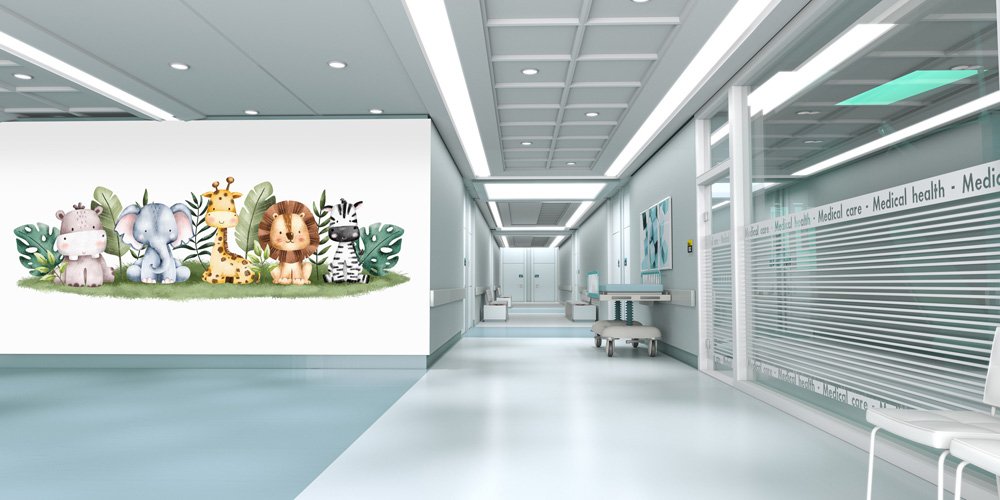
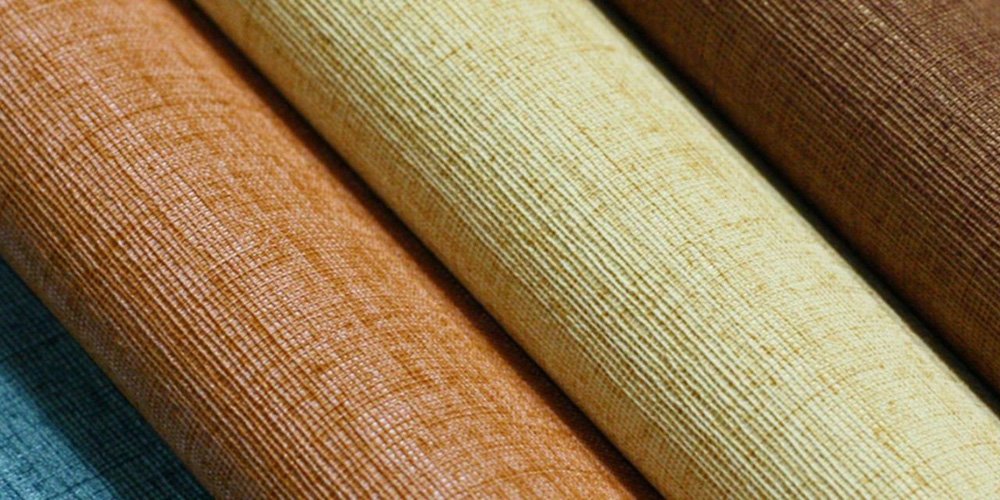
在进行墙面装饰浮雕施工之前,需要做一些前期准备工作。要对墙面进行清洁,确保表面平整且没有灰尘、油污等杂质。需要对墙面进行打磨处理,以提高浮雕的粘结力。还需准备适量的水泥砂浆、模板、浮雕工具等施工所需材料和工具。
二、模板制作
模板的制作是进行墙面浮雕施工的重要步骤之一。根据设计图纸的要求,将模板材料(如木板、纸板等)按照相应的尺寸进行切割和拼接,制作出与设计图纸一致的模板。模板的制作需要精确度高,确保浮雕的质量和形状得以保证。
三、浮雕施工
1. 墙面涂胶:在清理完毕的墙面上均匀涂抹专用浮雕胶,以提高浮雕与墙面的粘结力和牢固度。
2. 模板安装:将预先制作好的模板按照设计要求固定在墙面上。在安装模板时,需注意保持模板与墙面的垂直和水平度。
3. 浮雕雕刻:使用浮雕刀具和雕刻刀具,按照设计图纸的要求,对模板上的浮雕部分进行雕刻和修整。雕刻时要注意力度控制,保证浮雕的线条和形状清晰。
4. 空隙处理:在浮雕雕刻完成后,对浮雕与模板之间的空隙进行修整和处理,确保浮雕的表面平整和无明显的砂浆缝隙。
四、后期处理
1. 干燥:待浮雕施工完成后,需等待足够的时间让水泥砂浆充分干燥,以确保浮雕的稳固性和坚固度。
2. 表面处理:对干燥后的浮雕进行表面处理,可以采用打磨、刷漆等方式,以增加浮雕的质感和美观度。
3. 清洁保养:对已完成的墙面浮雕进行清洁和保养。定期清洗墙面,避免灰尘和油污附着,以保持浮雕的清洁和美观。
墙面装饰浮雕施工工艺是一项需要经验和技巧的专业工作。通过前期准备、模板制作、浮雕施工和后期处理等一系列步骤,可以实现墙面浮雕的制作和装饰效果。在施工过程中,需要严格按照设计要求进行操作,确保浮雕的质量和形状符合预期。还需注重施工中的细节处理和后期的保养维护,以延长墙面浮雕的使用寿命和美观度。
制作墙上水泥浮雕步骤
准备工作
在制作墙上水泥浮雕之前,首先需要完成一些准备工作。为了确保施工过程的顺利进行,我们需要准备以下材料和设备:
1. 墙面准备工具:包括扫帚、尺子、铅笔、刷子、砂纸等,用于清理墙面、测量和标记。
2. 水泥和辅助材料:选择适合的水泥和辅助材料,如砂子、石粉、添加剂等,以保证浮雕的质量和稳定性。
3. 水泥浮雕模具:选择合适的模具,可以使用现成的模具,也可以根据需要自己制作。
4. 雕刻工具:根据设计需求选择合适的雕刻工具,如刀具、雕刻刀、电动工具等。
5. 墙面涂料:选择合适的墙面涂料,用于涂饰墙面浮雕后的部分。
步骤一:墙面准备
清理墙面,将其彻底清洁,去除灰尘和杂物。使用扫帚清扫墙面,然后用湿布擦拭,确保墙面干净、光滑。使用尺子和铅笔在墙面上标记出浮雕的位置和形状,以便后续操作。
步骤二:调制水泥浆料
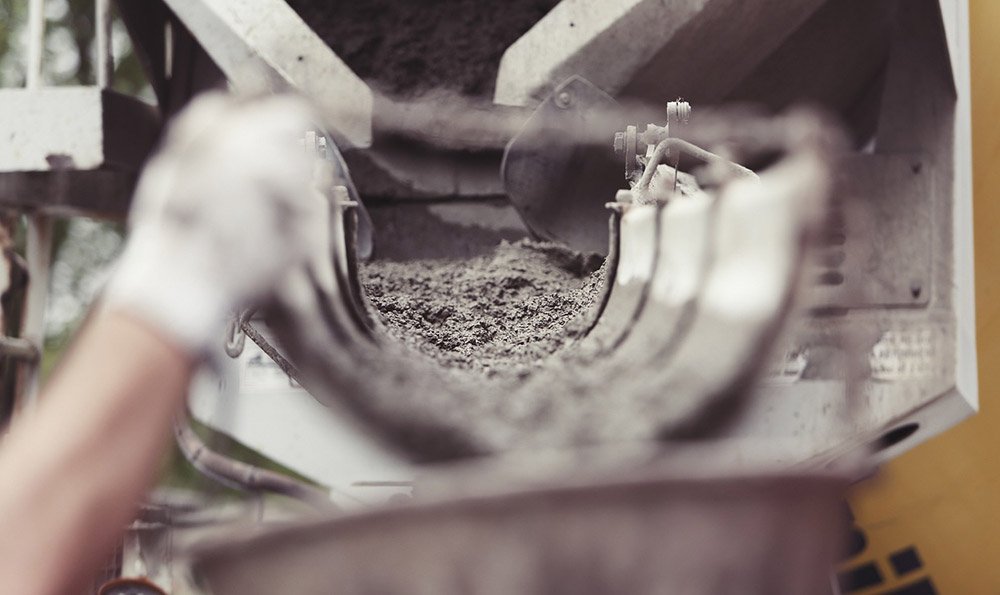
制作水泥浮雕需要先将水泥和辅助材料进行调配,以获得合适的浆料。按照水泥包装上的比例,将水泥和砂子按比例混合。在混合物中逐渐加入适量的水,并搅拌均匀,直到获得均匀的浆状物。
步骤三:进行浮雕
使用准备好的水泥浆料,按照标记在墙面上的位置,将浆料涂抹在墙面上。可以使用刷子或平铲等工具将浆料均匀地涂抹在墙面上,并确保浆料的厚度均匀一致。根据设计需求使用雕刻工具进行雕刻,创造出所需的浮雕效果。在雕刻过程中,可以根据需要调整浆料的湿度和硬度,以便更好地雕刻和塑造。
步骤四:涂饰和保养
当浮雕完成后,需要进行涂饰和保养,以保证浮雕的质量和持久性。等待水泥干燥,根据需要使用墙面涂料进行涂饰,以增加浮雕的美观效果。根据水泥包装上的说明,进行浮雕的保养,如喷水保湿或涂抹保养剂等,以提高浮雕的强度和耐久性。
以上就是制作墙上水泥浮雕的基本步骤。在整个制作过程中,需要注意的是选择合适的材料和工具,严格按照操作规程进行施工,保持墙面的整洁和稳定,以确保浮雕的质量和持久性。通过合理的设计和精湛的工艺,水泥浮雕可以为墙面增添独特的艺术魅力,丰富空间的层次感和立体感。
墙面浮雕用什么材料
一、石膏材料
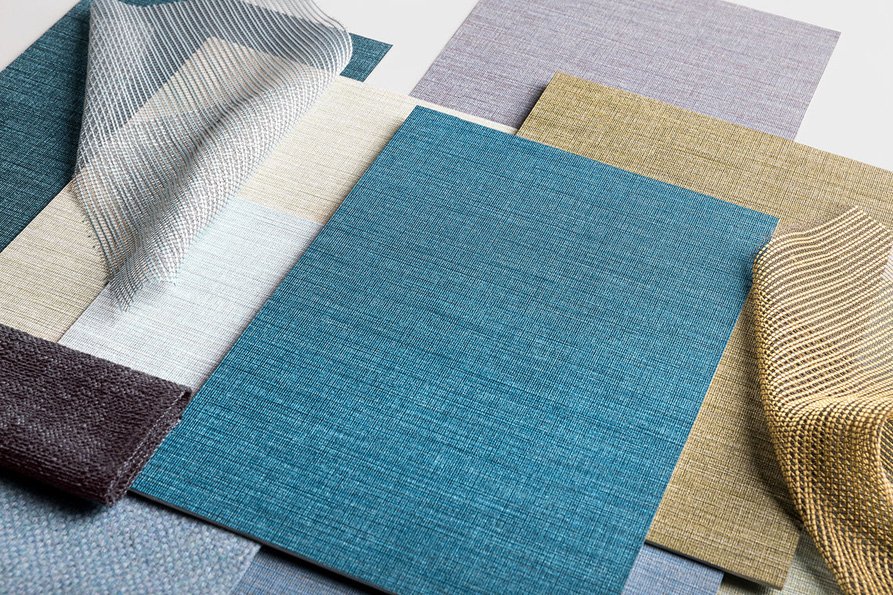
石膏是墙面浮雕制作中最常用的材料之一。石膏是一种天然的矿石,广泛应用于建筑和雕塑领域。石膏材料具有良好的可塑性和可塑性,可以通过模具制作出各种形状和图案。通过增加适量的纤维材料,石膏可以增强其强度和耐久性。石膏材料还具有较好的耐火性能,适用于室内和室外环境。
二、聚氨酯材料
聚氨酯是一种合成材料,具有良好的可塑性和耐久性。聚氨酯浮雕常用于大型建筑物的墙面装饰,如酒店、商场和展览中心。聚氨酯材料可以通过模具制作出各种复杂的形状和图案,同时具有轻盈和耐久的特点。聚氨酯浮雕还可以通过涂装或上色增加装饰效果,使墙面更加生动和丰富。
三、纤维水泥材料
纤维水泥是一种由水泥、纤维材料和其他添加剂组成的复合材料。纤维水泥浮雕具有较高的强度和耐久性,适用于室内和室外环境。纤维水泥材料可以通过手工或机械制作成各种形状和图案,同时具有较好的防水性能和抗裂性能。纤维水泥浮雕还可以通过表面涂料或着色增加装饰效果,使墙面更加美观和富有层次感。
四、石材材料
石材是墙面浮雕制作中常用的高档材料之一。石材具有各种颜色和纹理,可以根据需求进行选择。石材浮雕可以通过手工或机械加工制作出各种形状和图案,同时具有优秀的耐候性和耐久性。由于石材的高档质感和永恒的美学价值,石材浮雕常被用于高端建筑和室内设计中,如别墅、豪华酒店和艺术馆。
墙面浮雕制作使用的材料多种多样,根据需求和预算可以选择不同的材料。石膏材料具有良好的可塑性和可塑性,适用于各种室内和室外场景。聚氨酯材料具有轻盈和耐久的特点,适用于大型建筑的装饰。纤维水泥材料具有较高的强度和耐久性,适用于要求防水和抗裂的墙面。石材材料具有高档质感和永恒的美学价值,适用于高端建筑和室内设计。选择合适的材料可以增加墙面浮雕的装饰效果和持久性,满足不同场景的需求。
【参考译文】
What materials are used for wall relief sculptures?
I. Plaster materials
Plaster is one of the most commonly used materials in wall relief sculpture production. Plaster, a natural mineral, is widely used in the fields of architecture and sculpture. Plaster materials have good plasticity and moldability, allowing for the creation of various shapes and patterns through molds. By adding a suitable amount of fiber materials, plaster can enhance its strength and durability. Plaster materials also have good fire resistance, making them suitable for both indoor and outdoor environments.
II. Polyurethane materials
Polyurethane is a synthetic material with good plasticity and durability. Polyurethane reliefs are commonly used for wall decoration in large buildings such as hotels, shopping malls, and exhibition centers. Polyurethane materials can be shaped into various complex forms and patterns through molds, while being lightweight and durable. Polyurethane reliefs can also be enhanced with coatings or coloring to add decorative effects, making the walls more vibrant and rich.
III. Fiber cement materials
Fiber cement is a composite material composed of cement, fiber materials, and other additives. Fiber cement reliefs have high strength and durability, making them suitable for both indoor and outdoor environments. Fiber cement materials can be handcrafted or mechanically processed into various shapes and patterns, while having good waterproofing and crack resistance. Fiber cement reliefs can also be enhanced with surface coatings or coloring to add decorative effects, making the walls more aesthetically appealing and layered.
IV. Stone materials
Stone is one of the commonly used high-end materials in wall relief sculpture production. Stones come in various colors and textures, allowing for customization based on preferences. Stone reliefs can be handcrafted or mechanically processed into various shapes and patterns, while possessing excellent weather resistance and durability. Due to the high-end texture and timeless aesthetic value of stones, stone reliefs are often used in upscale architecture and interior design, such as villas, luxury hotels, and art galleries.
In conclusion, wall relief sculptures can be created using a variety of materials, depending on the specific requirements and budget. Plaster materials offer good plasticity and moldability, suitable for various indoor and outdoor settings. Polyurethane materials are lightweight and durable, making them suitable for decorative purposes in large-scale buildings. Fiber cement materials provide high strength and durability, meeting the needs for waterproofing and crack resistance. Stone materials provide a high-end texture and timeless aesthetic value, making them ideal for upscale architecture and interior design. Choosing the right materials can enhance the decorative effects and durability of wall relief sculptures, meeting the demands of different settings.