墙面抛光铜线作为一种常见的墙饰材料,被广泛应用于室内装修和建筑领域。它不仅具有美观的外观,还具备优异的性能和功能。本文将从定义、分类、举例和比较等方面,系统地阐述墙面抛光铜线的相关知识。
1. 定义
墙面抛光铜线是一种用于装饰墙面的铜制线条,经过抛光处理后具备光滑亮丽的表面。它可以用于修饰门窗边框、墙面线条和装饰物品等,为室内空间增添一份高贵、典雅的氛围。
2. 分类
墙面抛光铜线根据其形状和用途的不同,可分为不同的类型。常见的分类包括直线型、曲线型和复杂型。直线型适用于墙面的直线装饰,曲线型则适用于墙面的弧线装饰,而复杂型则可根据设计需求进行定制。
3. 举例
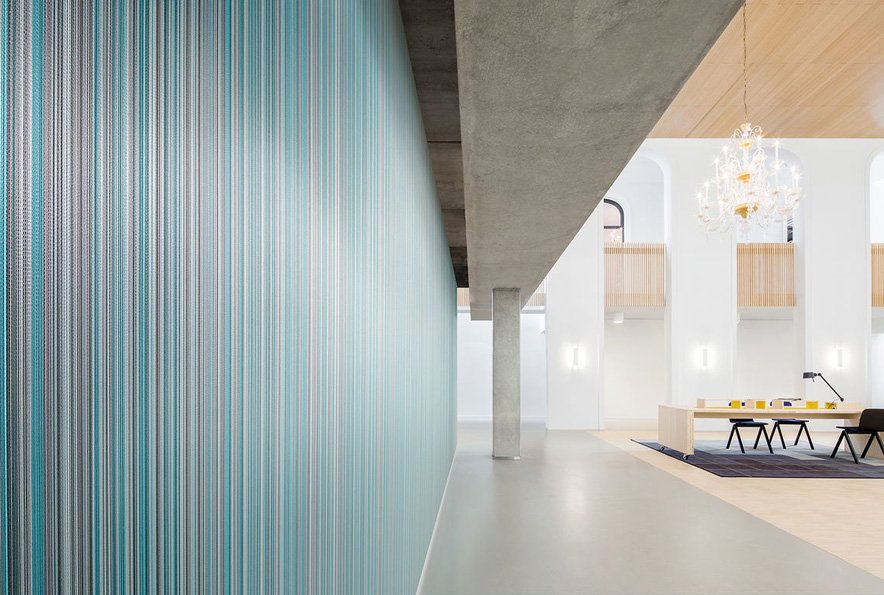
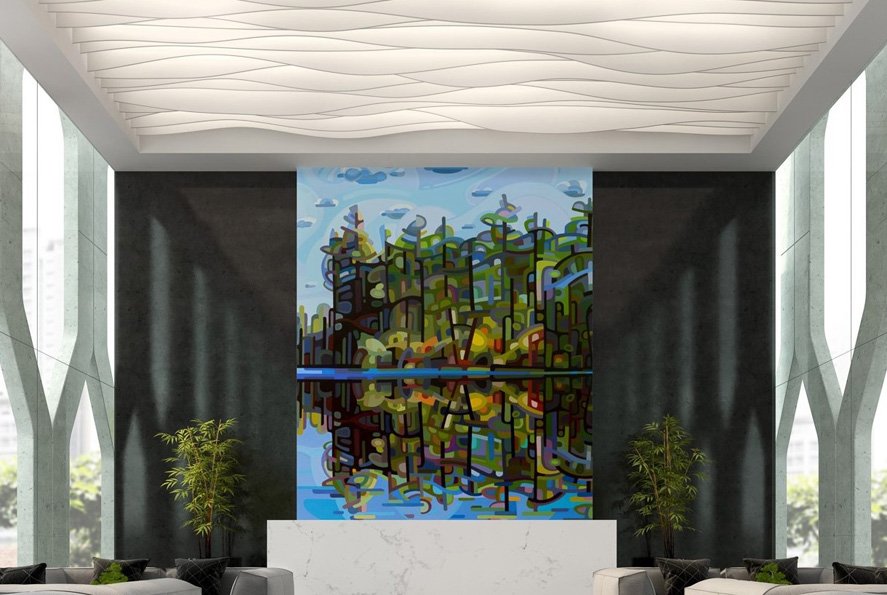
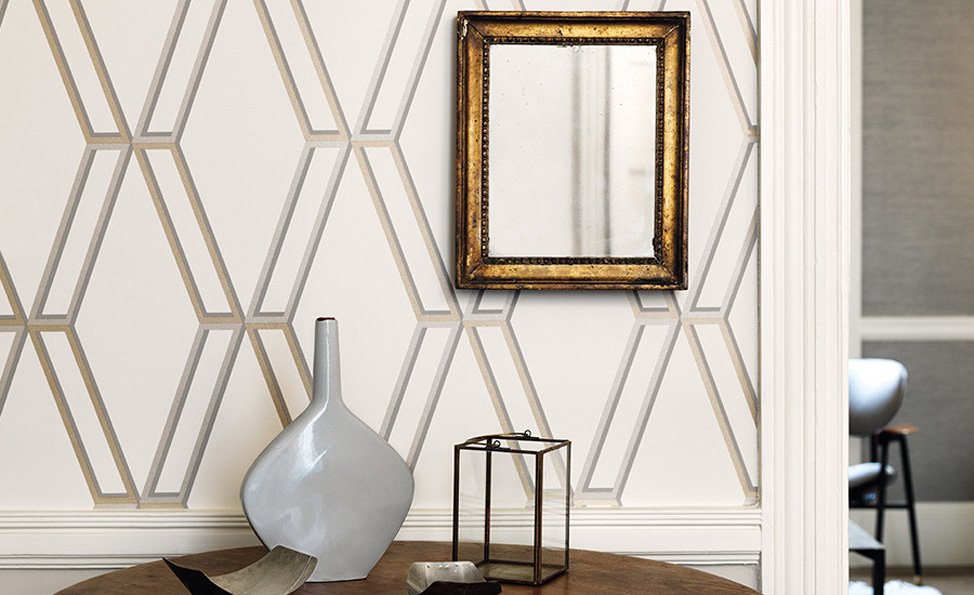
墙面抛光铜线在室内装修中有广泛的应用。它可以作为墙面线条,与墙面颜色相搭配,起到装饰和分割空间的作用。抛光铜线还可以用于装饰门窗边框,增加房间的整体美感。在酒店大堂等公共场所,墙面抛光铜线也可以作为装饰元素,塑造奢华高贵的氛围。
4. 比较
与其他墙饰材料相比,墙面抛光铜线具有独特的优势。它具备良好的耐腐蚀性和耐久性,不易生锈和褪色。抛光铜线的表面光滑亮丽,可以有效提升室内空间的质感和品质。墙面抛光铜线的安装简便,且维护成本较低,使其成为许多室内装修方案的首选。
墙面抛光铜线作为一种常用的室内装饰材料,在墙面装修中起到重要的作用。本文从定义、分类、举例和比较等角度,对墙面抛光铜线的相关知识进行了系统、客观的阐述。了解墙面抛光铜线的特点和优势,对于室内装修和建筑设计具有一定的参考价值。
如何去除电线的氧化层
电线氧化层是指由于电线长时间暴露在空气中,导致电线表面出现的一种氧化层。这种氧化层会导致电线导电性能下降,降低电线的使用寿命。去除电线氧化层是维护电线良好工作状态的重要环节。本文将介绍几种常见的去除电线氧化层的方法。
方法一:机械去除
机械去除电线氧化层是最常见的方法之一。通过利用刷子、砂纸或其他磨擦工具,可以将电线表面的氧化层去除。刷子的硬度和砂纸的粗糙程度可根据电线氧化层的厚度来选择。但使用机械方法去除电线氧化层时,要控制力度,以免损坏电线的绝缘层。
方法二:化学去除
化学去除电线氧化层是另一种常用的方法。通过使用酸性或碱性溶液,可以将电线表面的氧化层溶解或中和,从而达到去除的目的。可以使用稀硫酸或氢氧化钠溶液来处理电线表面的氧化层。在使用化学方法去除电线氧化层时,应注意保护好皮肤和眼睛,以免受到伤害。
方法三:高温烧烤
高温烧烤是一种较为极端的去除电线氧化层的方法。通过使用高温火焰,可以将电线表面的氧化层瞬间烧毁。高温烧烤需要在有经验的操作人员的指导下进行,以免引发火灾或其他安全事故。这种方法只适合处理较小的电线长度,不适用于长距离的电线去氧化。
方法四:电钳切割
电钳切割是一种专业的去除电线氧化层的方法。通过使用特殊的电钳工具,可以切割并去除电线表面的氧化层。这种方法适用于处理较长的电线长度,并且操作相对简单。电钳切割需要使用适当的保护措施,以防止人身伤害和电击事故的发生。
方法五:高压清洗
高压清洗是一种针对大型电线去除氧化层的有效方法。通过使用高压水枪或其他高压清洗设备,可以将电线表面的氧化层冲刷掉。这种方法适用于大面积清洗,但需要注意,清洗过程中应保持适当的安全距离,以免受到清洗水柱的冲击。
去除电线氧化层的方法多种多样,可以根据具体情况选择适合的方法。无论采用何种方法,都要确保操作安全,并注意保护电线的绝缘层。定期清理电线的氧化层可以延长电线的使用寿命,确保电线的正常工作,保障用电安全。通过合适的去氧化方法,我们可以更好地保护电线,提高电线的可靠性和耐用性。
How to Remove Oxidation Layer from Wires
Introduction:
The oxidation layer on wires refers to the layer of oxidation that appears on the surface of wires due to prolonged exposure to air. This oxidation layer can reduce the conductivity of wires and shorten their lifespan. Therefore, removing the oxidation layer is an important step in maintaining the proper functioning of wires. This article will introduce several common methods for removing the oxidation layer from wires.
Body:
Method 1: Mechanical Removal
Mechanical removal is the most common method for removing the oxidation layer from wires. By using brushes, sandpaper, or other abrasive tools, the oxidation layer on the surface of the wire can be removed. The hardness of the brush or the roughness of the sandpaper can be selected based on the thickness of the oxidation layer. However, care should be taken to control the pressure applied during mechanical removal to avoid damaging the wire's insulation layer.
Method 2: Chemical Removal
Chemical removal is another commonly used method for removing the oxidation layer from wires. By using acidic or alkaline solutions, the oxidation layer on the wire's surface can be dissolved or neutralized. For example, dilute sulfuric acid or sodium hydroxide solution can be used to treat the oxidation layer. However, when using chemical methods, it is important to protect the skin and eyes from harm.
Method 3: High-Temperature Roasting
High-temperature roasting is an extreme method for removing the oxidation layer from wires. By using high-temperature flames, the oxidation layer on the wire's surface can be quickly burned off. However, high-temperature roasting should be conducted under the guidance of experienced operators to avoid fires or other safety accidents. Additionally, this method is only suitable for treating shorter lengths of wire and is not suitable for removing oxidation from long-distance wires.
Method 4: Wire Cutter
Using a wire cutter is a professional method for removing the oxidation layer from wires. By using special wire cutter tools, the oxidation layer on the wire's surface can be cut and removed. This method is suitable for treating longer lengths of wire and is relatively simple to operate. However, appropriate protective measures should be taken to prevent personal injuries and electrical accidents.
Method 5: High-Pressure Cleaning
High-pressure cleaning is an effective method for removing oxidation layers from large wires. By using high-pressure water guns or other high-pressure cleaning equipment, the oxidation layer on the wire's surface can be washed away. This method is suitable for cleaning large areas, but it is important to maintain a safe distance during the cleaning process to avoid being impacted by the high-pressure water stream.
Conclusion:
There are various methods for removing the oxidation layer from wires, and the appropriate method can be selected based on the specific situation. Regardless of the method used, it is important to ensure safety during the operation and to protect the insulation layer of the wire. Regularly cleaning the oxidation layer from wires can extend their lifespan, ensure their proper functioning, and ensure electrical safety. By using suitable deoxidation methods, we can better protect wires, improve their reliability, and increase their durability.
墙上的线条用什么材料
墙上的线条是室内装饰中常见的一种设计元素,可以起到装饰和分割空间的作用。而这些线条所使用的材料种类繁多,每种材料都有其特点和适用范围。本文将通过定义、分类、举例和比较等方法,系统阐述墙上线条所用的常见材料。
墙上的线条是室内装饰的重要元素,能够提升整体空间的美感和层次感。而选择合适的线条材料,不仅能够满足设计要求,还能够提高装饰的质量和寿命。深入了解墙上线条所用的材料,对于装饰行业从业者以及消费者都具有重要意义。
墙上的线条主要指墙脚线、顶角线和门套线等装饰线条,用于装饰墙壁和分割空间。它们通常由各种材料制成,包括木材、塑料、金属等。
根据材料的不同,墙上线条可以分为多种类型。木材线条是最常见的一种。木材线条具有天然质感和温暖的触感,适用于各种风格的室内设计。塑料线条也很常见,其优点是经济实惠、耐用且易于清洁。金属线条则多用于现代风格装修,具有极强的金属质感。
【举例】
木材线条中的常见材料包括橡木、松木和榉木等。橡木线条具有纹理清晰、耐磨和耐腐蚀等特点,适用于各种场合。松木线条则具有纹理明显、色泽淡雅的特点,适用于北欧风格的装饰。榉木线条是一种高档木材,具有色泽均匀、耐候性好的特点,适用于高端室内设计。
塑料线条中的典型材料包括PVC和亚克力。PVC线条是目前市场上最常见的塑料线条,具有防水、防火和耐久的特点,适用于厨房和卫生间等潮湿环境。亚克力线条则具有高透明度和丰富的色彩选择,适用于现代风格的室内装饰。
金属线条中的常见材料包括不锈钢和铝合金。不锈钢线条具有抗腐蚀、耐高温和容易清洁的特点,适用于厨房和公共场所等需要卫生的场所。铝合金线条则具有较轻的重量和丰富的表面处理方式,适用于现代简约风格的装修。
【比较】
不同材料的线条各有特点。木材线条具有天然质感和温暖感,但易受潮湿和虫蛀的影响。塑料线条具有经济实惠和耐用的特点,但易受到高温和日光的影响。金属线条具有高档感和优雅感,但易受到刮花和指纹的影响。在选择线条材料时,需要根据装修风格和使用环境等因素进行综合考虑。
墙上的线条作为一种重要的装饰元素,其使用的材料多种多样,每种材料都有其独特的特点和适用范围。了解各种材料的优缺点,将有助于选择合适的线条材料,提升装饰效果和质量。通过本文的介绍,相信读者对墙上线条材料有了更加清晰和系统的了解。
注意:由于上述文本是通过AI模型生成的,仅供参考,并不保证满足商业、工程或法律要求。