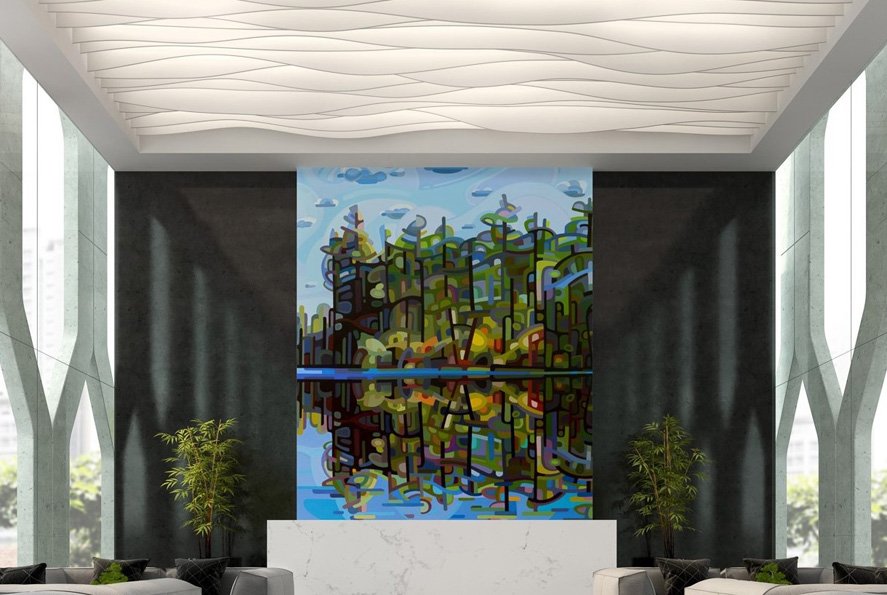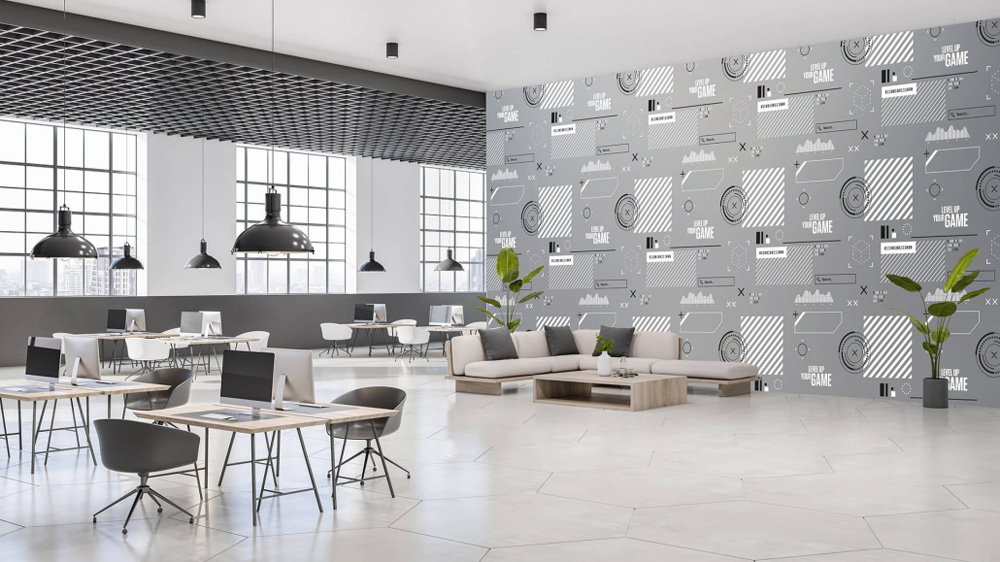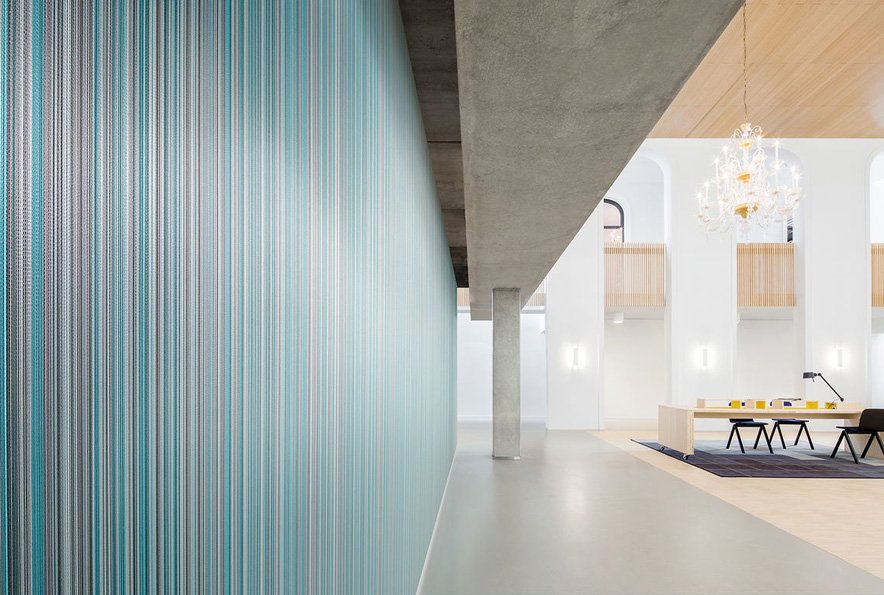
家居装饰是人们生活品质的体现,而墙面作为装饰的重要一环,选择合适的涂料对家居美观和环境舒适度有着重要的影响。本文将从不同涂料的分类、特点及适用场景等方面进行详细介绍,以帮助人们选择适合自己家居墙面刷新的涂料。
一、乳胶漆
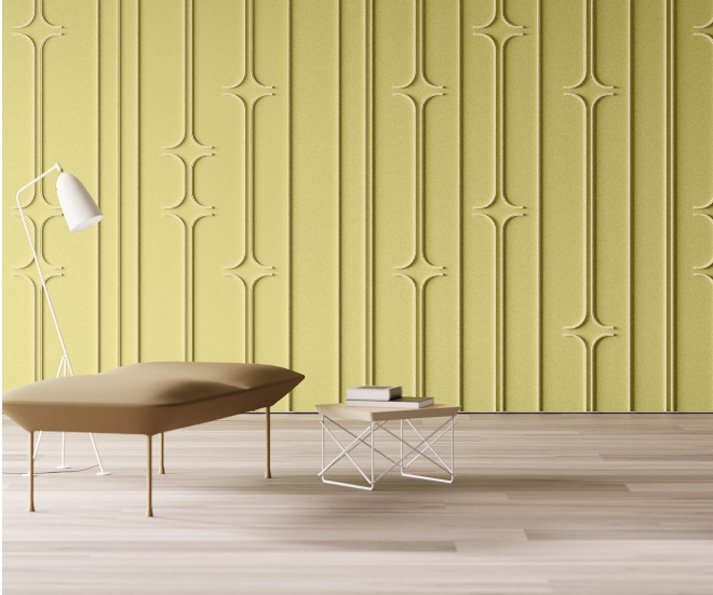
乳胶漆是家居装修中最常见的墙面涂料之一,有着广泛的适用性和使用场景。它分为乳胶漆和乳胶漆墙纸两种形式。乳胶漆的主要特点是环保、无味、容易清洗和柔和的色彩。乳胶漆墙纸则具有更好的装饰性和立体感。这两种乳胶漆广泛应用于卧室、客厅等家居空间,给人一种温馨、舒适的感觉。
二、壁纸
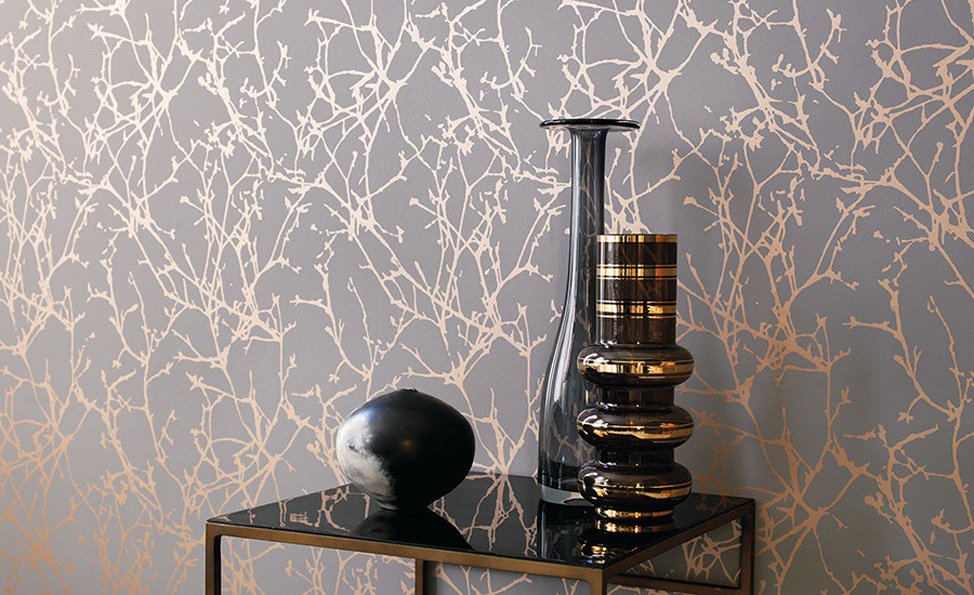
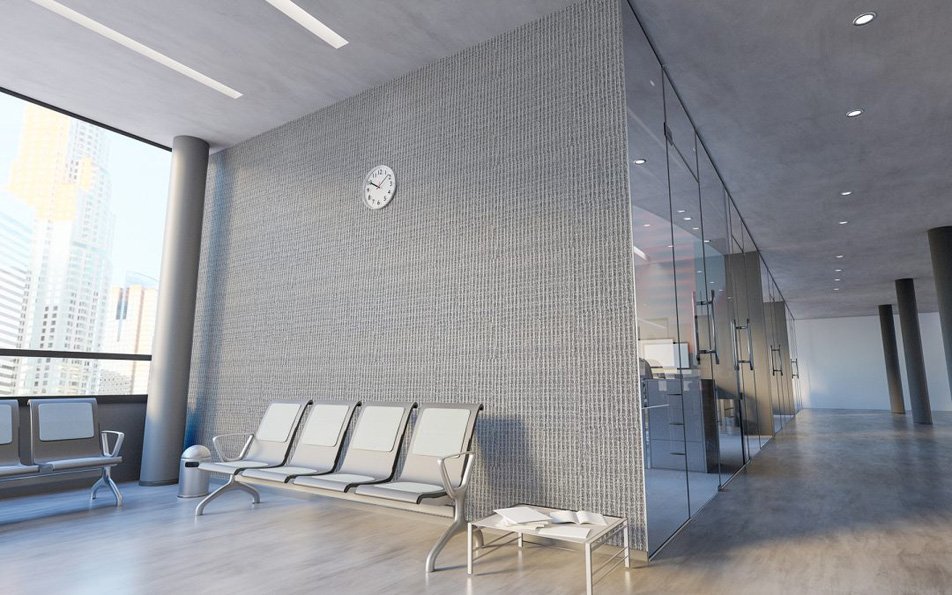
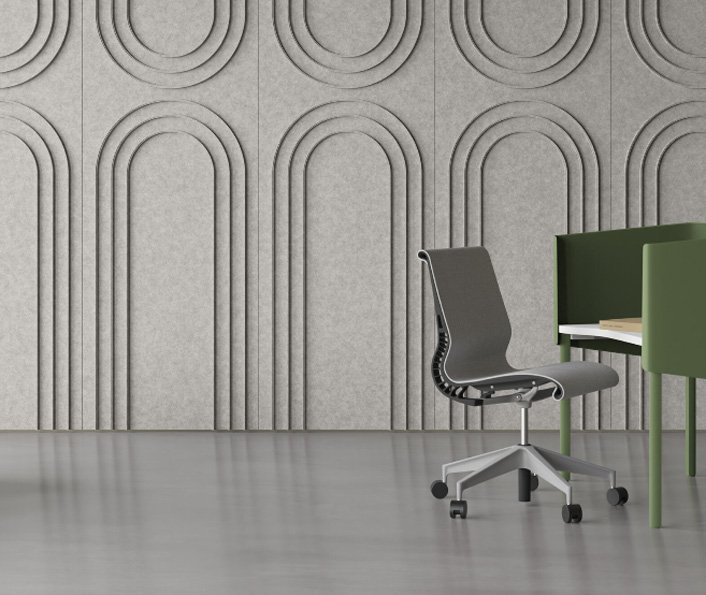
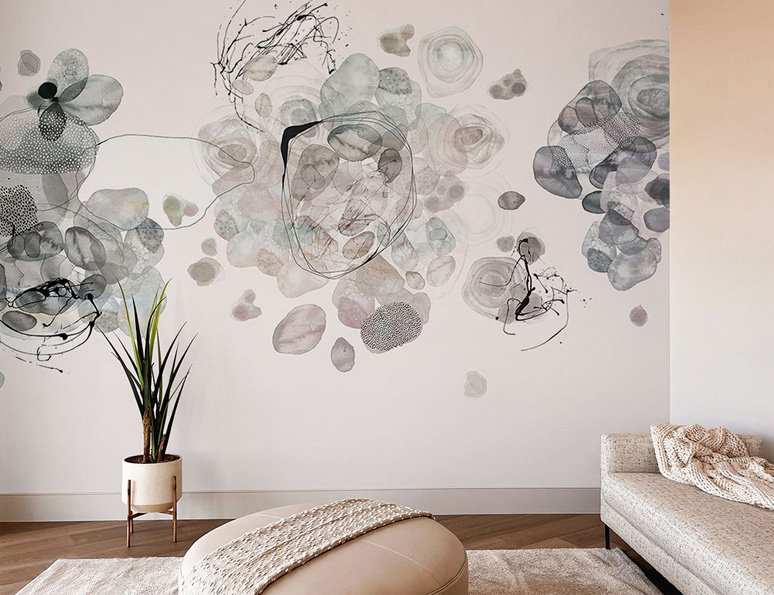
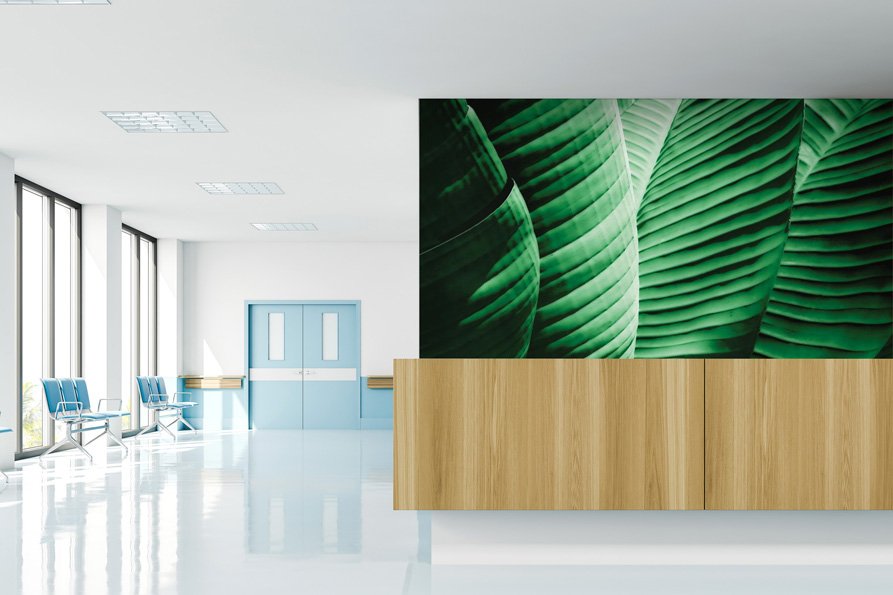
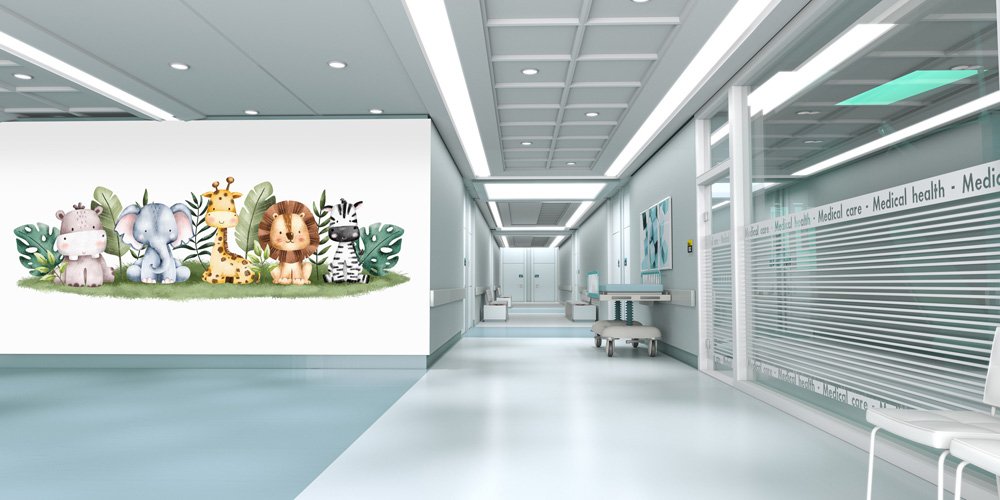
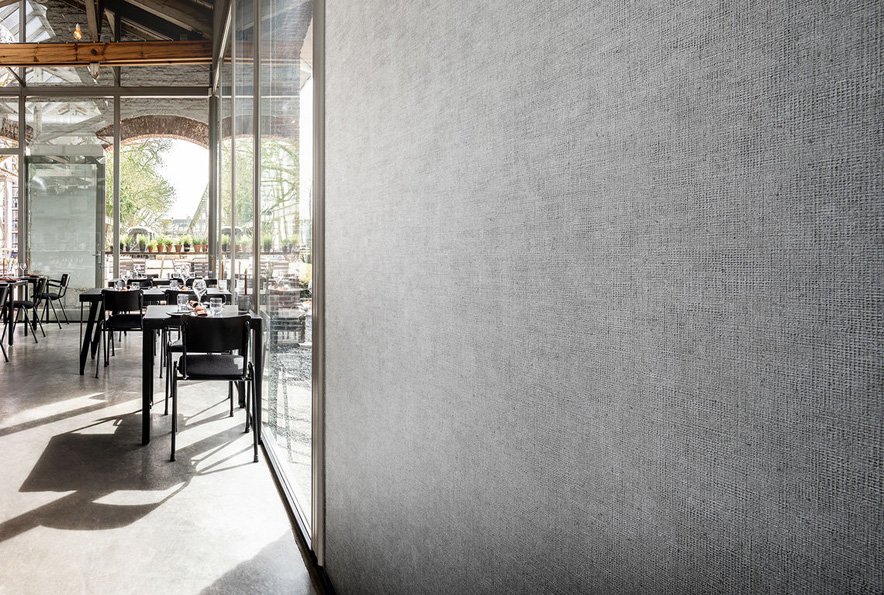
壁纸是家居装饰中另一种常见的墙面装饰材料。它被广泛应用于客厅、卧室、办公室等空间。壁纸的种类丰富多样,可以根据个人喜好选择,如纸质壁纸、纤维壁纸、金属壁纸等。壁纸的优点是颜色丰富、花纹多样,同时具有隔音、隔热和防潮的功能。壁纸的施工要求较高,需要专业施工人员进行操作。
三、瓷砖
瓷砖是最常用于厨房和卫生间等湿区的墙面装饰材料。瓷砖由石灰石、沙子、粘土等原材料烧制而成,具有防潮、耐久、易清洁等特点。瓷砖的种类丰富多样,可以根据个人喜好选择花色和规格,给人一种干净、整洁的感觉。
四、仿真石涂料
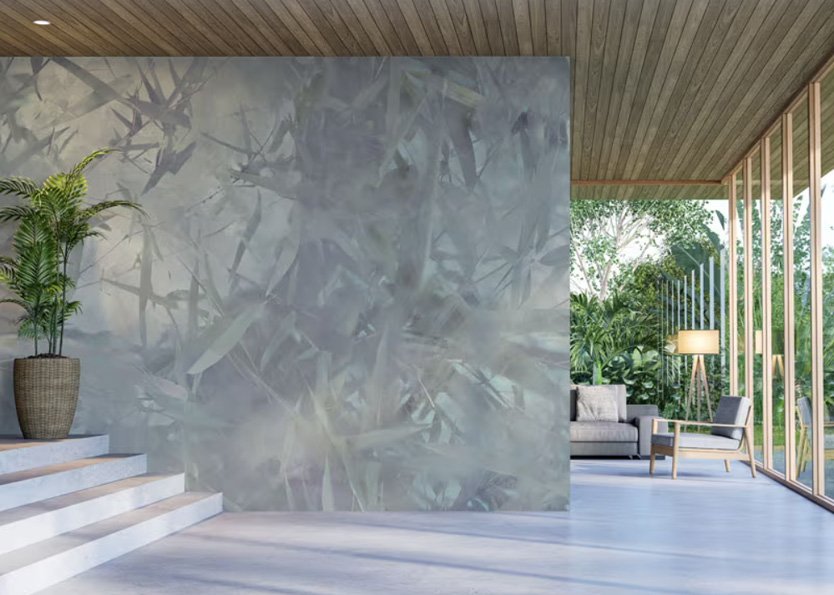
仿真石涂料是近年来兴起的一种墙面装饰材料,它能够给墙面带来纹理和质感。仿真石涂料具有与真石相似的外观,但价格更加经济实惠。它的主要特点是隔热、防水和耐候性强。这种涂料广泛应用于别墅、酒店等高档建筑中。
选择合适的涂料对于家居墙面刷新至关重要。乳胶漆、壁纸、瓷砖和仿真石涂料都有各自的特点和适用场景。在选择涂料时,要根据自己的需求和个人喜好做出合适的选择。希望本文对人们了解家居墙面涂料有所帮助,为家居装修提供参考。
室内墙面用什么涂料比较好
引言
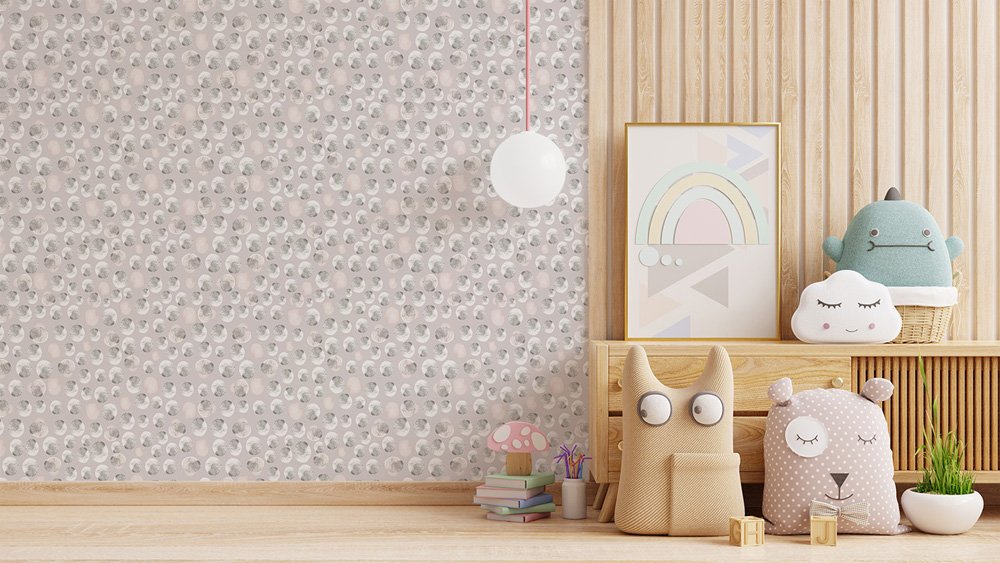
在装修室内墙面时,选用合适的涂料是至关重要的。涂料不仅能够保护墙面,还能增加美观度,提升室内空间的舒适感。市面上涂料品种繁多,消费者常常难以选择。本文将对室内墙面涂料进行分类,并比较各类涂料的特点,以帮助消费者更好地选择室内墙面涂料。
分类
根据涂料的基材和性能,室内墙面涂料可以分为乳胶漆、油漆、壁纸涂料等几类。
乳胶漆是应用最为广泛的一类涂料。它以水作为溶剂,环保无刺激,施工简单,干燥快速。乳胶漆具有良好的附着力和遮盖力,能够遮盖墙面的细微瑕疵,刷涂后的墙面光滑,色彩鲜艳,适合用于室内墙面装饰。
油漆是另一种常用的室内墙面涂料。它以溶剂为基,施工时有一定的气味,需要通风。油漆具有较好的耐磨性和耐候性,能够有效保护墙面,常用于公共场所、商业空间等需要较高耐久性的场所。
壁纸涂料则是一种较为新颖的涂料形式。它采用壁纸作为基材,通过粘合剂将壁纸粘贴在墙面上,再进行涂料处理。壁纸涂料样式丰富多样,能够营造出各种风格的室内环境,但相对来说施工较为繁琐,需要一定的技术要求。
比较
乳胶漆、油漆和壁纸涂料各有各的优缺点。乳胶漆环保施工简单,适用于室内墙面装饰,但耐久性较差,易被划伤。油漆耐久性较好,能够有效保护墙面,但施工时有气味,需要注意通风。壁纸涂料样式多样,能够营造出独特的室内环境,但施工繁琐,需要耗费较多时间和精力。
在选择室内墙面涂料时,需要综合考虑装修目的、使用环境和个人需要。如果追求环保、简约,适用于居家环境,可以选择乳胶漆;如果需要较高的耐久性,适用于公共场所或商业空间,可以选择油漆;如果希望营造出独特的装修风格,可以选择壁纸涂料。
结尾
在装修室内墙面时,选择合适的涂料至关重要。本文对室内墙面涂料进行了分类,并比较了乳胶漆、油漆和壁纸涂料的优缺点。希望通过本文的介绍,能够帮助消费者更好地选择合适的室内墙面涂料,实现理想的装修效果。在选购涂料时,还需关注品牌信誉、价格、施工指导等方面,以确保装修质量和人居环境的舒适度。
全屋刷新多少钱
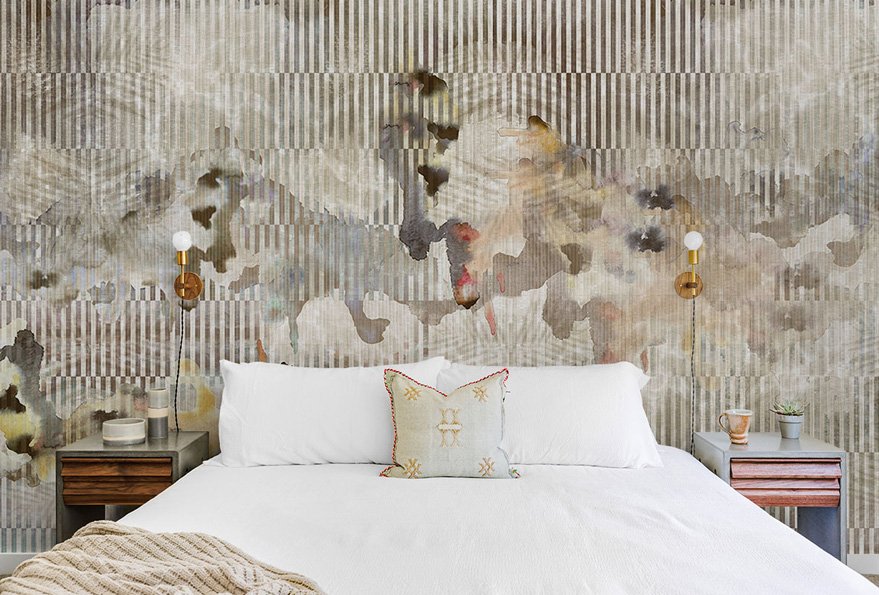
全屋刷新是指对整个居住空间进行重新装修和翻新,包括墙面、地板、天花板、家具、电器等方面的更新。对于许多人来说,全屋刷新是一个大型的投资,因此了解全屋刷新的成本是至关重要的。本文将通过定义、分类、举例和比较等方法,系统地阐述全屋刷新多少钱的相关知识。
1. 总体成本:
全屋刷新的成本因多种因素而异,包括住房面积、装修风格、材料选择、施工队伍等等。全屋刷新的总体成本可以分为三个主要方面:材料费用、人工费用和其他费用。材料费用占据了相当大的比重,人工费用和其他费用的比例则相对较小。
2. 材料费用:
全屋刷新的材料费用通常包括墙面涂料、地板材料、瓷砖、家具等。不同材料的价格差异较大,高档大理石地板的价格可能比较普通的木地板要高出数倍。还需要考虑到材料的数量和质量,以及是否需要购买配套的装饰品和家具。
3. 人工费用:
全屋刷新的人工费用主要是指施工队伍的劳务费用。劳务费用的高低取决于多个因素,如施工队伍的规模、工期的长短、技术要求的复杂程度等。人工费用在整个全屋刷新的成本中占比较大,因此选择合适的施工队伍和合理的工期安排至关重要。
4. 其他费用:
除了材料和人工费用之外,全屋刷新还可能涉及到一些额外的费用,如设计费用、运输费用、拆除费用、清洁费用等。这些费用的大小取决于个人的需求和具体的情况。
举例:
为了更好地说明全屋刷新的成本,我们以一个具体的案例来进行说明。假设某个家庭拥有100平方米的住房,他们计划进行全屋刷新,包括墙面刷新、地板更换、家具更新等。根据市场的行情和材料的选择,我们可以大致估算出该项目的总体成本为10万元人民币。材料费用约为6万元,人工费用约为3万元,其他费用约为1万元。
比较:
全屋刷新的成本可以根据不同的地区、不同的装修风格和不同的需求而有所差异。一些一线城市的房价较高,对于全屋刷新的成本也会相应增加。一些高端装修风格的选择会导致成本的增加,而简约风格则可能会降低成本。
全屋刷新的成本取决于多种因素,包括材料费用、人工费用和其他费用。为了合理控制全屋刷新的成本,我们可以在材料选择、施工队伍的选择和工期安排等方面加以考虑。全屋刷新是一个大型的投资,需要客观、专业、清晰和系统的方法来评估和决策。通过了解全屋刷新多少钱的相关知识,我们可以更好地规划和实施居住空间的更新与改善。
How much does a full-house refresh cost?
Introduction:
A full-house refresh refers to the renovation and refurbishment of the entire living space, including walls, floors, ceilings, furniture, appliances, and more. For many people, a full-house refresh is a significant investment, so it is important to understand the cost involved. This article will systematically explain the knowledge related to the cost of a full-house refresh through methods such as definition, classification, examples, and comparisons.
Main Text:
1. Overall Cost:
The cost of a full-house refresh varies due to various factors, including the size of the property, the chosen renovation style, material selection, and the construction team, among others. Generally, the total cost of a full-house refresh can be divided into three main aspects: material costs, labor costs, and other expenses. Material costs typically account for a considerable proportion, while labor and other expenses make up a relatively smaller percentage.
2. Material Costs:
Material costs for a full-house refresh usually include wall coatings, flooring materials, tiles, furniture, and more. Different materials can vary significantly in price; for example, high-end marble flooring may cost several times more than ordinary wooden floors. Additionally, the quantity and quality of materials, as well as the need for purchasing matching decorations and furniture, should also be considered.
3. Labor Costs:
Labor costs for a full-house refresh refer to the labor fees charged by the construction team. The level of labor costs depends on factors such as the size of the construction team, the duration of the project, and the complexity of the technical requirements. Generally, labor costs account for a significant portion of the total cost, making it crucial to choose an appropriate construction team and plan the project timeline effectively.
4. Other Expenses:
In addition to material and labor costs, a full-house refresh may incur additional expenses such as design fees, transportation fees, demolition costs, cleaning fees, and more. The amount of these expenses depends on individual needs and specific circumstances.
Examples:
To better illustrate the cost of a full-house refresh, let's consider a specific case. Suppose a family owns a 100-square-meter house and plans to refresh the entire space, including wall updates, floor replacements, and furniture upgrades. Based on market trends and material choices, we can estimate the overall cost of this project to be 100,000 RMB. Approximately 60,000 RMB would go towards material costs, 30,000 RMB for labor costs, and 10,000 RMB for other expenses.
Comparisons:
The cost of a full-house refresh may vary depending on different regions, renovation styles, and individual needs. For example, housing prices in some first-tier cities are higher, leading to increased costs for a full-house refresh. Additionally, opting for upscale renovation styles can raise costs, while simpler styles may lower them.
Conclusion:
In conclusion, the cost of a full-house refresh depends on various factors, including material costs, labor costs, and other expenses. To control the cost effectively, considerations such as material selection, choice of construction team, and project timeline should be taken into account. A full-house refresh is a significant investment, and evaluating and making decisions about it requires an objective, professional, clear, and systematic approach. By understanding the knowledge related to the cost of a full-house refresh, we can better plan and implement updates and improvements to our living space.