斑点通体大理石,也被称为人造大理石,是一种由天然石材和合成树脂制成的人工石材。它的外观和质感与天然大理石非常相似,但价格更加合理。在本文中,我们将介绍斑点通体大理石的分类、价格以及与天然大理石的比较,并探究其在建筑行业的应用情况。
一、斑点通体大理石的分类
斑点通体大理石根据其表面斑点的颜色和样式可以分为多个分类。有些斑点通体大理石具有黑色斑点,这种石材被广泛应用于商业建筑和高档住宅的装饰中;而另一些大理石则具有白色斑点,适用于现代和简约风格的室内设计。还有一些大理石具有多种颜色的斑点,这种石材常常被用于创意和个性化的设计中。
二、斑点通体大理石的价格因素
斑点通体大理石的价格受多个因素的影响。材料成本,包括石材和合成树脂的成本。生产工艺和技术对人工大理石的影响。不同的生产工艺和技术可以影响大理石的质量和工艺,从而对价格产生影响。市场需求和供应也是决定价格的因素之一。当市场需求高于供应时,价格可能会上涨,反之亦然。
三、斑点通体大理石与天然大理石的比较
斑点通体大理石与天然大理石在外观和质感上非常相似,但在价格上有很大差异。天然大理石的开采和加工成本较高,导致价格昂贵,而斑点通体大理石则是由天然石材和合成树脂制成,成本相对较低,价格更为合理。斑点通体大理石的颜色和斑点可以根据客户的需求进行定制,而天然大理石的颜色和纹理是无法人为改变的。
斑点通体大理石在建筑行业的应用
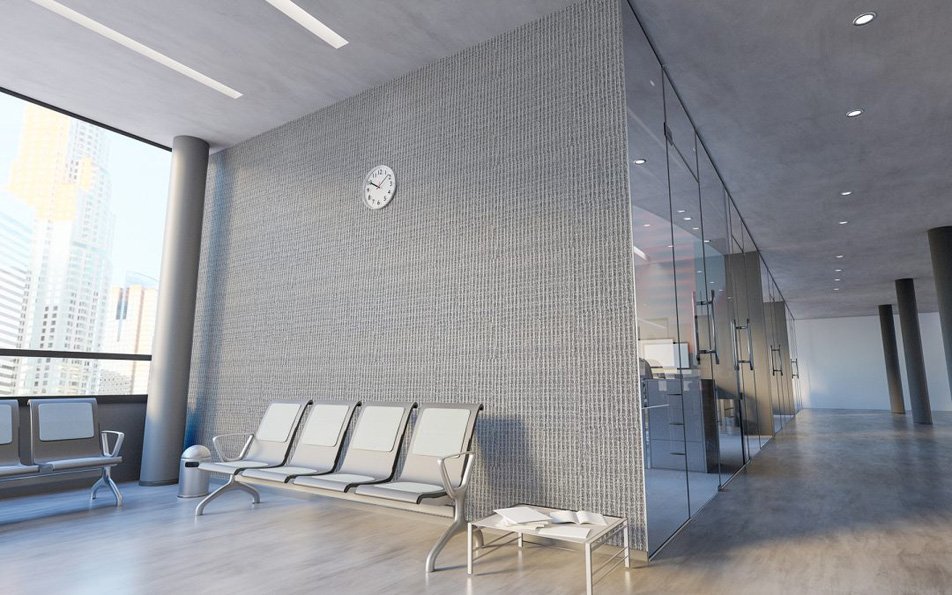
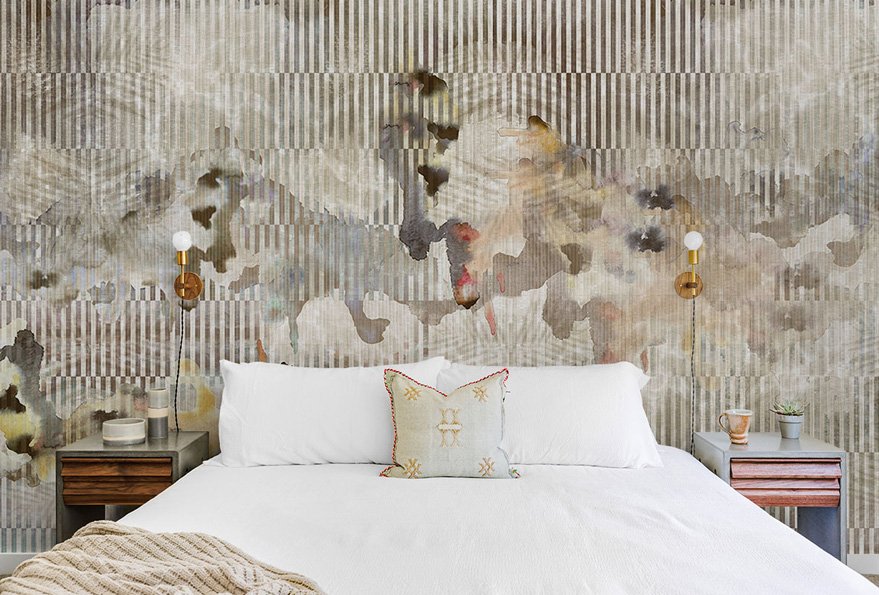
由于斑点通体大理石具有外观逼真、质量稳定且价格合理的特点,因此在建筑行业得到了广泛的应用。斑点通体大理石可以应用于室内墙面、地面、台面、洗手盆等多个方面。它的硬度和耐磨性使得其在商业场所和公共空间中的使用非常合适,同时其防污性能也非常出色,易于清洁和维护。斑点通体大理石的颜色和纹理可以与其他材料进行搭配,创造出独特的设计效果。
斑点通体大理石作为一种人造大理石,具有外观逼真、质量稳定且价格合理的特点。它的价格受到材料成本、生产工艺和市场供需等因素的影响。与天然大理石相比,斑点通体大理石在价格上更具优势。在建筑行业中,斑点通体大理石得到了广泛的应用,其硬度、耐磨性和防污性使其成为理想的建筑材料选择。
Spotted Solid Surface Marble (Artificial Marble Price)
Introduction:
Spotted solid surface marble, also known as engineered marble, is an artificial stone made from natural stone and synthetic resin. Its appearance and texture are very similar to natural marble, but at a more reasonable price. In this article, we will explore the classification, pricing, and comparison with natural marble of spotted solid surface marble, as well as its application in the construction industry.
Body:
I. Classification of Spotted Solid Surface Marble
Spotted solid surface marble can be classified based on the color and pattern of its surface spots. For example, some have black spots, which are widely used in the decoration of commercial buildings and high-end residences. On the other hand, some have white spots, which are suitable for modern and minimalist interior designs. Additionally, there are ones with multi-colored spots, often used in creative and personalized designs.
II. Factors Affecting the Price of Spotted Solid Surface Marble
The price of spotted solid surface marble is influenced by several factors. Firstly, material costs, including the cost of stone and synthetic resin. Secondly, the production process and technology impact the quality and craftsmanship of artificial marble, which in turn affects the price. Additionally, market demand and supply are also factors determining the price. When demand exceeds supply, prices may rise, and vice versa.
III. Comparison between Spotted Solid Surface Marble and Natural Marble
Spotted solid surface marble closely resembles natural marble in appearance and texture, but there is a significant price difference. Natural marble is expensive due to the high costs of mining and processing, while spotted solid surface marble is made from natural stone and synthetic resin, resulting in lower costs and a more reasonable price. Furthermore, the color and pattern of spotted solid surface marble can be customized according to customer requirements, unlike natural marble whose color and texture are unalterable.
Application of Spotted Solid Surface Marble in the Construction Industry
Due to its realistic appearance, stable quality, and reasonable price, spotted solid surface marble has gained wide applications in the construction industry. It can be used for interior walls, floors, countertops, sinks, and more. Its hardness and wear resistance make it suitable for commercial spaces and public areas, and its stain resistance allows for easy cleaning and maintenance. Moreover, spotted solid surface marble can be combined with other materials to create unique design effects.
Conclusion:
In conclusion, spotted solid surface marble, as an artificial marble, has the advantages of a realistic appearance, stable quality, and reasonable price. Its price is influenced by factors such as material costs, production process, and market supply and demand. Compared to natural marble, spotted solid surface marble has a price advantage. In the construction industry, spotted solid surface marble has been widely applied due to its hardness, wear resistance, stain resistance, and the ability to be creatively combined with other materials.
大理石的表面有花斑状的花纹
大理石是一种常见的建筑材料,其表面常常具有花斑状的花纹。这些花纹给大理石带来了独特的美感和艺术价值。本文将对大理石表面花斑状花纹进行系统的阐述,从定义、分类、举例和比较等方面来探讨其相关知识。
定义:
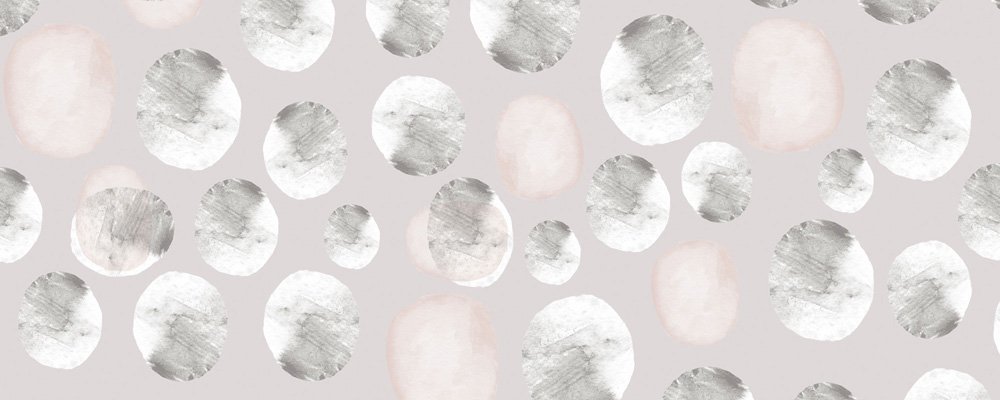
大理石是一种以石灰石和多种矿物质为主要成分的沉积岩,具有丰富的自然纹理,其表面往往呈现出各种独特的花纹和色彩。这些花纹可以是斑点状,也可以是条纹状,给人以美观和装饰性的感受。
分类:
大理石表面的花斑状花纹可以分为多种类型。最常见的类型是斑点状花纹和条纹状花纹。斑点状花纹是指大理石表面散布着不规则形状的斑点,这些斑点可以有不同的大小、形状和颜色,形成了独特的视觉效果。而条纹状花纹是指大理石表面形成了一条条纵横交错的条纹,这些条纹可以有不同的宽度、密度和方向,给人以流畅和连贯的感觉。
举例:
世界各地都有着独特的大理石花斑状花纹,其中一些具有极高的艺术价值和美学价值。意大利的卡拉拉大理石以其白色底色和明亮的黑色斑点而闻名,被广泛应用于雕塑和建筑领域,如米开朗基罗的雕塑《大卫》就是用卡拉拉大理石制成的。而希腊的希拉克利特大理石则展现出淡黄色的底色和棕色的斑点,给人以温暖和自然之感。
比较:
不同类型的大理石花斑状花纹各有特点,应用领域也有所不同。斑点状花纹的大理石常用于内装领域,如地板、墙壁和台面等,因为其不规则的斑点可以带来自然和独特的视觉效果。而条纹状花纹的大理石则常用于雕塑和建筑领域,因为其流畅的条纹可以给人以一种连贯和优雅的感觉。
大理石表面的花斑状花纹丰富了大理石的美感和艺术价值,使其成为建筑和雕塑领域不可或缺的材料之一。通过对其定义、分类、举例和比较等方面的阐述,我们对大理石花斑状花纹的相关知识有了更深入的了解。无论是斑点状花纹还是条纹状花纹,它们都展现出了大理石的独特之美。
人造大理石价格
人造大理石是一种以合成材料制成的大理石模拟品,具有低成本、可塑性强等特点。而人造大理石价格则是指市场上人造大理石产品的价格水平。本文将从定义、分类、举例和比较等方面介绍人造大理石价格的相关知识,旨在客观、专业、清晰和系统地解析该行业。
I. 定义
人造大理石价格是指市场上人造大理石产品的交易价格。人造大理石是通过将天然石材的粉末或颗粒与树脂等合成材料混合制成,经过高温和高压成型而得。在该过程中,人工合成的大理石模拟品能够以极低的成本替代天然大理石,使得其价格具有竞争力。
II. 分类
根据不同的制造工艺、原材料和质量等因素,人造大理石可以分为多种不同类型,从而导致不同价格水平的存在。常见的人造大理石分类包括复合大理石、亚克力大理石、树脂大理石等。这些不同类型的人造大理石在价格方面有所差异,能满足不同消费者的需求。
III. 举例
举例来看,复合大理石是一种由大理石颗粒、天然石粉和树脂等材料混合而成的人造大理石。由于其原材料的成本较低,相比于天然大理石,复合大理石的价格相对较低,因此受到一部分消费者的青睐。而亚克力大理石则是由亚克力树脂制成,具有质地坚硬、不易变色等特性,其价格相对较高,适合追求高质量的消费者。
IV. 比较
与天然大理石相比,人造大理石的价格具有明显的优势。天然大理石作为一种天然石材,在开采、加工和运输等环节都需要耗费大量的人力和物力,导致其价格较高。而人造大理石则可以通过合成材料的加工制造,使得其生产成本大大降低,从而价格更为亲民。人造大理石还可以灵活调配材料比例和颜色,使得其在设计和装饰领域具有更大的应用潜力,进一步提高了其性价比。
人造大理石价格是指市场上人造大理石产品的交易价格,其具有低成本、可塑性强等特点。通过定义、分类、举例和比较等方法,我们可以更好地理解人造大理石价格的相关知识。随着技术的不断进步和市场需求的增加,人造大理石价格在未来有望继续发展,满足消费者多样化的需求。