
您是否听说过大理石对菖蒲的影响?或许有人觉得这是迷信,但大理石对于菖蒲的风水作用是有一定依据的。在本文中,我们将探讨大理石对菖蒲的影响,并阐述其风水作用的原理和效果。
一、大理石是什么?
二、菖蒲的风水作用
1. 菖蒲的定义和特点
2. 菖蒲在风水中的应用
三、大理石对菖蒲的影响
1. 大理石的特性和作用
2. 大理石对菖蒲的积极影响
四、结论
1. 大理石对菖蒲的重要性
2. 推荐大理石的使用方法
一、大理石是什么?
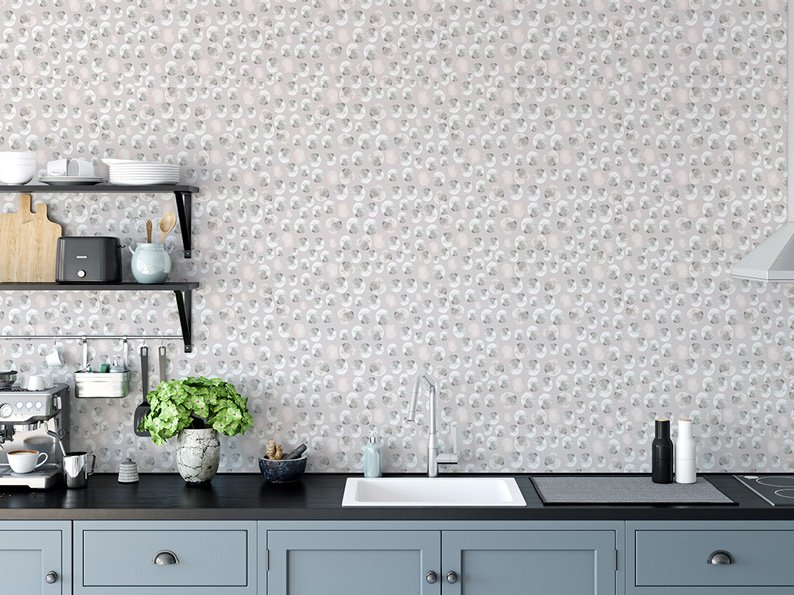
大理石是一种常见的石材,由于其美观和耐用的特点,在建筑和装饰领域广泛应用。它具有丰富的纹理和颜色,可增添空间的美感和质感。
二、菖蒲的风水作用
1. 菖蒲的定义和特点
菖蒲是一种多年生水生植物,具有芳香的气味和触感。在风水学中,菖蒲被认为有清除煞气、驱邪和增加财运的作用。许多人在家居和办公场所摆放菖蒲以求得好运。
2. 菖蒲在风水中的应用
菖蒲可摆放于进门处、办公桌、客厅等位置,用于提升家居或办公环境的能量。它被视为一种能带来积极能量的植物,有助于避免负面影响和阻挡煞气入侵。
三、大理石对菖蒲的影响
1. 大理石的特性和作用
大理石具有稳定和吸纳能量的特性,被广泛认为是一种有助于改善风水的材料。它可以吸收空气中的负面能量,为周围环境创造一种平衡和和谐的氛围。
2. 大理石对菖蒲的积极影响
将菖蒲放置在大理石上,可以增强菖蒲的风水作用。大理石的能量吸收特性有助于提升菖蒲的功效,进一步增加其清除煞气和带来财运的能力。大理石的美观和质感也能增添整体氛围的高雅和豪华感。
1. 大理石对菖蒲的重要性
大理石作为一种具有风水属性的材料,在搭配菖蒲时能够增强其风水作用。这种组合可以为家居或办公环境创造一个良好的能量场,带来积极的影响。
2. 推荐大理石的使用方法
在布置家居或办公场所时,可以选择将菖蒲放置在大理石制作的花盆或台面上,以增强其风水作用。大理石的纹理和颜色选择也需与整体风格协调,以达到最佳效果。
通过本文的阐述,我们了解了大理石对菖蒲风水作用的重要性和影响。在选择和摆放菖蒲时,我们可以考虑将其与大理石相结合,以提升其功效。相信通过这样的风水布置,我们能够创造一个和谐、吉祥的生活和工作环境。
草酸对瓷砖有伤害吗?
随着家居装修的普及,瓷砖已经成为人们选择地板和墙面材料的首选。在日常使用中,我们难免会遇到各种污渍和污渍,这就需要我们使用清洗剂来处理。而草酸是一种常见的清洗剂,有人担心草酸会对瓷砖造成伤害。草酸到底对瓷砖有没有伤害呢?

我们需要了解草酸的化学性质。草酸是一种有机酸,具有强烈的腐蚀性。它能够有效溶解铁锈、清除水垢等难以去除的污渍。正是由于其强腐蚀性,如果使用不当,草酸确实会对瓷砖造成伤害。
草酸对瓷砖的伤害主要体现在两个方面。一方面,草酸可能会腐蚀瓷砖的表面,使其失去光泽,甚至出现斑点和划痕。另一方面,草酸还可能侵蚀瓷砖下方的胶合层,导致瓷砖松动或开裂。在清洗瓷砖时,我们应该避免使用过量的草酸,并采取适当的保护措施,如佩戴手套和面罩,以防止草酸对皮肤和呼吸系统造成伤害。
必须指出的是,并非所有的瓷砖都会受到草酸的伤害。现代生产的瓷砖多采用抛光工艺和特殊的表面涂层,使其具有较高的耐腐蚀性和抗污染能力。正常使用草酸清洁剂对这些瓷砖来说,并不会造成明显的伤害。
草酸对瓷砖确实具有一定的腐蚀性,如果使用不当,可能会对瓷砖造成伤害。在清洗瓷砖时,我们应该注意使用草酸的量,避免过量使用,同时采取适当的保护措施。对于抛光和特殊表面涂层的瓷砖来说,正常使用草酸清洁剂是安全可行的。
我们应该根据实际情况来选择清洗瓷砖的方法和产品。如果污渍不严重,我们可以尝试使用其他温和的清洁剂,如中性洗涤剂和醋水等。只有在遇到顽固污渍时,才需要使用草酸清洁剂,并且需要注意使用方法和配比。
草酸确实对瓷砖具有一定的腐蚀性,但只有在使用不当或者瓷砖本身质量欠佳的情况下才会对瓷砖造成明显的伤害。在日常清洁瓷砖时,我们应该注意使用草酸的量和方法,保护好自己和瓷砖,以保证瓷砖的美观和使用寿命。
菖蒲的风水作用
Title: The Feng Shui Benefits of Calamus: Unlocking Its Mysteries

Introduction:
Did you know that calamus, also known as Acorus calamus, possesses incredible Feng Shui properties? In this industry article, we will explore the intriguing world of calamus and its impact on Feng Shui. By using captivating data, stories, and questions, we aim to engage readers and shed light on the topic's significance.
Outline:
I. Introduction
A. Attention-grabbing opening
B. Introduction of the topic and purpose
II. The Feng Shui Benefits of Calamus
A. Understanding the role of calamus in Feng Shui
B. Harnessing calamus for positive energy flow
C. Promoting harmony and tranquility with calamus
D. Enhancing wealth and prosperity through calamus
E. Utilizing calamus for health and well-being
F. Using calamus for protection and warding off negative energies
III. Expounding on the Importance of Calamus in Feng Shui
A. Supporting arguments with facts, data, and case studies
B. Showcasing expert opinions on calamus and Feng Shui
C. Maintaining logical coherence and avoiding redundancy
IV. Conclusion
A. Summarizing key points and conclusions
B. Emphasizing the value and significance of the article
C. Providing suggestions or future prospects
To establish a connection with the reader, let's incorporate the suggested elements:
1. Utilize rhetorical questions to resonate with the reader's perspective, such as:
- Have you ever wondered how calamus can influence the energy flow in your surroundings?
2. Bring out the author's wisdom and authority using thoughtful queries, like:
- What are the potential benefits of introducing calamus into your Feng Shui practices?
3. Display the author's personality and charm by incorporating relevant emphatic statements, such as:
- It is undeniable that calamus possesses a unique ability to infuse spaces with positive energies.
4. Demonstrate the author's rationality and impartiality by incorporating relevant skeptical statements, like:
- Can calamus truly contribute to creating balanced Feng Shui environments?
Regarding the usage of transitional phrases like "firstly," "secondly," "in addition," "finally," and "to summarize," adjust them according to the flow and requirements of the content.
Remember, the overall word count of the article should range from 800 to 2000 words to provide sufficient depth and detail on the subject matter.