石英石与大理石是两种常见的石材,它们在建筑、装饰和家具制作等领域都有广泛的应用。本文将客观、系统地介绍石英石与大理石的区别,同时探讨一下青金石作为一种宝石的功效与作用。
正文:
石英石和大理石在形成过程和结构上有显著的差异。石英石是一种由硅酸盐矿物组成的岩石,其主要成分是二氧化硅。石英石形成于地壳深部,经过长时间的高温高压作用而形成。大理石则是由碳酸盐矿物组成的岩石,主要成分是碳酸钙。大理石形成于地壳浅部,经历了地壳运动和变形。石英石具有较高的硬度和耐磨性,而大理石较为柔软。
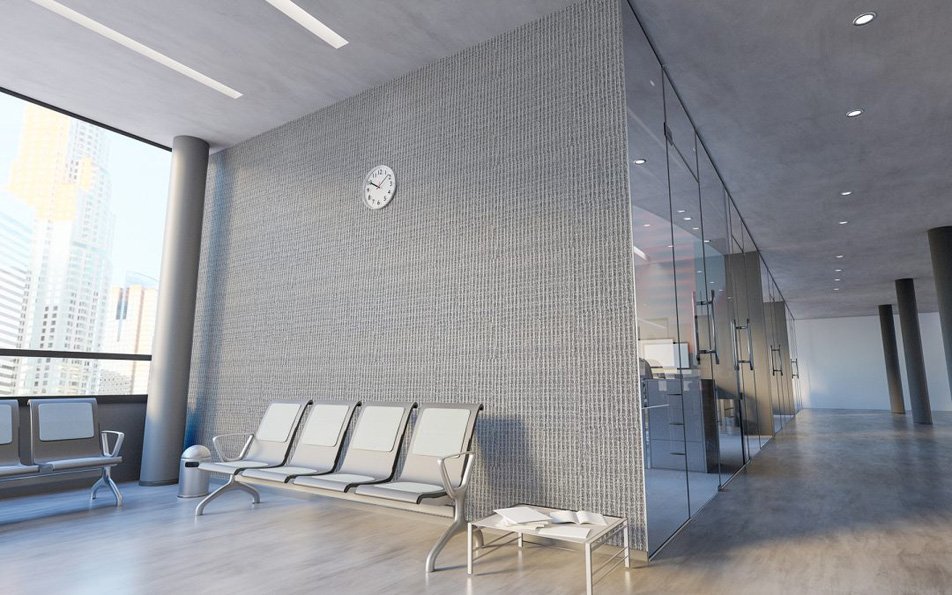
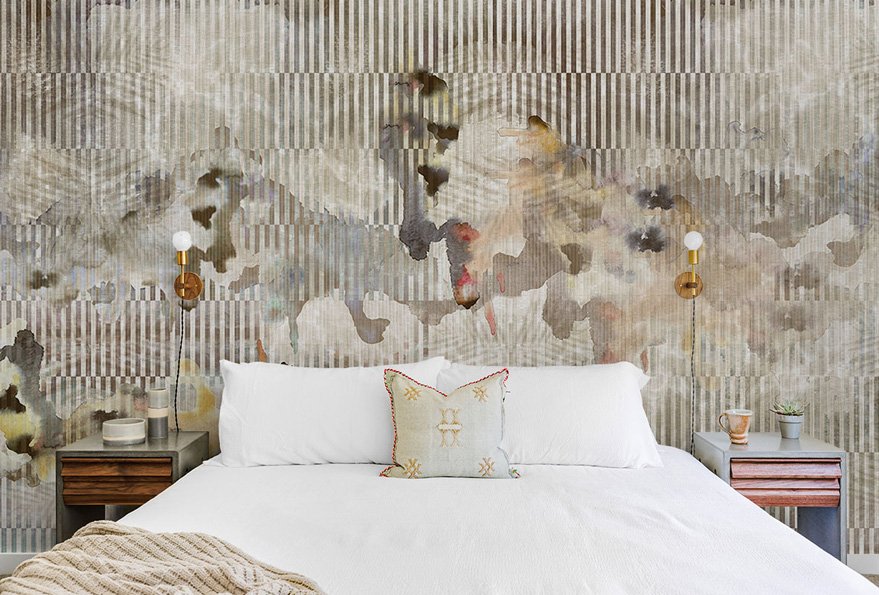
石英石和大理石的外观也有明显的差异。石英石具有丰富的颜色和纹理变化。它可以呈现出均匀的色彩,也可以呈现出丰富的斑驳色。石英石的纹理通常呈现出云状、纹理状或块状。而大理石则常常具有大面积的均匀颜色和纹理,有时还会呈现出明显的大理石纹。石英石和大理石的颜色和纹理差异,使得它们在设计和装饰中有着不同的应用。
除了外观上的区别,石英石和大理石在物理性质和使用特点上也有所不同。石英石具有较高的硬度和耐磨性,能够抵抗划痕和磨损。它还具有较高的耐温性和耐化学性,不易受到酸碱侵蚀。石英石容易清洁和维护,适合用于厨房台面和地面铺装等场所。大理石虽然较为柔软,但具有自然美感和良好的防滑性能。它广泛应用于室内墙面、地板和雕塑等领域,为空间增添了高雅的气息。
在探讨石英石和大理石的区别之外,我们也不得不提到青金石作为一种宝石的功效与作用。青金石是一种珍贵的宝石,被人们广泛用于首饰制作和装饰。它有着很高的硬度和晶莹剔透的外观。除了美观之外,青金石还被认为具有一定的保护作用。它被认为能够消除负面能量,增强人体能量场,提升人的自信和勇气。一些人还相信青金石能够平衡身心,增加智慧和直觉。
总结来说,石英石和大理石在形成过程、结构、外观和物理性质等方面都存在明显差异。石英石具有较高的硬度和耐磨性,适用于厨房台面和地面铺装;大理石则具有自然美感和良好的防滑性能,广泛应用于墙面、地板和雕塑上。青金石作为一种宝石,不仅外观美观,还被认为具有保护和平衡身心的功效。了解这些不同之处,将有助于我们在应用和选择上作出明智的决策。
The Difference between Quartz and Marble (The Efficacy and Function of Lapis Lazuli)
Introduction:
Quartz and marble are two common types of stone that are widely used in the fields of construction, decoration, and furniture making. This article will objectively and systematically introduce the differences between quartz and marble, while discussing the efficacy and function of lapis lazuli as a gemstone.
Body:
Quartz and marble have significant differences in their formation process and structure. Quartz is a rock composed of silicate minerals, with its primary component being silicon dioxide. Quartz forms deep in the Earth's crust through prolonged periods of high temperature and pressure. Marble, on the other hand, is a rock composed of carbonate minerals, primarily calcium carbonate. Marble forms in the shallow part of the Earth's crust and undergoes crustal movements and deformation. As a result, quartz has higher hardness and abrasion resistance, while marble is relatively softer.
Additionally, there are obvious differences in the appearance of quartz and marble. Quartz exhibits a wide range of colors and texture variations. It can have a uniform color or rich patterns. The texture of quartz can be cloud-like, striated, or blocky. Marble, on the other hand, often has large areas of uniform color and texture, sometimes with distinct marble veins. The color and texture differences of quartz and marble provide various design and decorative applications.
In addition to the differences in appearance, quartz and marble also differ in their physical properties and usage characteristics. Quartz has high hardness and abrasion resistance, making it resistant to scratches and wear. It also has high heat and chemical resistance, making it resistant to acid and alkali erosion. Quartz is easy to clean and maintain, making it suitable for kitchen countertops and flooring. Although marble is relatively soft, it possesses natural beauty and good slip resistance. It is widely used in indoor walls, floors, and sculptures, adding an elegant touch to spaces.
In discussing the differences between quartz and marble, it is also worth mentioning the efficacy and function of lapis lazuli as a gemstone. Lapis lazuli is a precious gemstone widely used in jewelry making and decoration. It has high hardness and a translucent appearance. In addition to its aesthetics, lapis lazuli is believed to have certain protective effects. It is thought to eliminate negative energy, enhance the energy field of the body, and boost one's confidence and courage. Some people also believe that lapis lazuli can balance the body and mind, increase wisdom, and intuition.
Conclusion:
In conclusion, quartz and marble have distinct differences in their formation, structure, appearance, and physical properties. Quartz has high hardness and abrasion resistance, making it suitable for kitchen countertops and flooring. Marble, on the other hand, has natural beauty and good slip resistance, widely used in walls, floors, and sculptures. Additionally, lapis lazuli, as a gemstone, not only has aesthetic appeal but also is believed to have protective and balancing effects on the body and mind. Understanding these differences can help us make informed decisions in terms of application and selection.
Word Count: 826 words.
厨房台面用什么石材最好
厨房台面是厨房中最常用的工作区域之一,它需要具备一定的耐磨性、耐高温性和易清洁性,同时还要美观耐看。厨房台面应该选择什么样的石材呢?本文将从材质的特性、分类、举例和比较等方面来阐述。

我们来了解一下不同石材的特性。天然石材通常分为大理石、花岗岩和人造石材。大理石具有高雅的外观和质感,但它相对较软,容易刮伤和磨损,而且对酸的抵抗力较差。花岗岩则是一种较为耐用的石材,它具有较高的硬度和耐磨性,但花岗岩的天然纹理可能会有些粗糙,不够光滑。人造石材是由天然石材碎料和树脂等材料组成的合成材料,它具有耐磨、耐高温和易清洁的特点,同时还可以根据需要设计出丰富多样的纹理和颜色。
我们可以根据不同石材的特点进行分类。在大理石中,意大利卡拉拉大理石是一种经典选择,它以其白色的质感和灰色纹理而闻名。在花岗岩中,中国蓝花岗石具有耐磨、硬度较高的特点,其深蓝色和银色纹理使其成为时尚的选择。在人造石材中,德尔菲白人造石材以其纯白色和高光泽度而受到青睐,同时它还具有抗菌、无孔和无缝的特点。
我们可以通过比较不同石材的特性来找到最适合厨房台面的选择。大理石虽然美观,但它需要经常保养,避免酸性物质的接触。花岗岩具有耐磨的特点,但它的天然纹理可能会积聚细菌或渣滓。而人造石材具有抗菌的特性,容易清洁和维护,同时它还可以根据厨房的整体风格进行定制。
在选择厨房台面石材时,除了以上的特点比较,还需要考虑个人偏好、预算和使用需求等因素。对于追求高品质和独特风格的人来说,大理石可能是一个不错的选择;而注重耐用和耐磨性的人可以考虑花岗岩;而人造石材则是一种经济实惠、易清洁和维护的选择。
厨房台面用什么石材最好取决于个人需求和偏好。大理石、花岗岩和人造石材都具有各自的特点和优势,可以根据需求对比选择。无论选择什么样的石材,都要保持良好的清洁和维护,以确保长久的使用寿命和美观。选择合适的石材对于厨房台面的使用体验和整体装修效果有着重要影响,希望本文能够帮助读者了解相关知识,做出明智的选择。
青金石的功效与作用
青金石是一种珍贵的宝石,凭借其独特的颜色和结构,在珠宝行业中备受追捧。但除了其美丽的外观,青金石还具有许多非凡的功效和作用。本文将从定义、分类、举例和比较等角度,系统阐述青金石的功效与作用,以帮助读者更好地了解和认识这种珍贵宝石。
青金石是一种含有铝硅酸盐的矿物,具有蓝色到青绿色的色彩,因此得名。根据其成分和结构的不同,青金石可以分为天然青金石和人造青金石两大类。天然青金石是在地壳深处形成的矿石,经过人工加工后成为宝石。而人造青金石则是通过化学合成的方式制造出来的,其组成和外观与天然青金石相似度极高。不管是天然青金石还是人造青金石,都具有许多相似的功效和作用。
青金石被认为是一种象征智慧和真理的宝石。它能够增进人们的思维能力和创造力,激发智慧的闪光点。许多人选择佩戴青金石的首饰,希望能够在工作、学习和生活中更加出色。青金石还被认为具有稳定情绪和平衡心态的作用。它能够舒缓紧张的情绪,减轻压力和焦虑,帮助人们保持内心的平静和安宁。
青金石还被广泛应用于医学领域。据研究发现,青金石含有丰富的矿物质和微量元素,对身体健康有很大的益处。青金石具有抗菌和消炎作用。它能够有效地抑制细菌和病毒的生长,减少感染的风险。青金石还具有增强免疫力的作用。它可以促进白细胞的产生,增强人体的抵抗能力。青金石还能够改善血液循环,增加氧气供应,帮助身体更好地运作。
除了以上的功效和作用,青金石还被广泛用于能量调理和精神疗愈。根据能量领域的专家研究,青金石拥有强大的能量场,可以清除身体和灵性上的负面能量,平衡身心能量。这种能量调理作用可以帮助人们恢复健康、提升精神状态,并增强与自然界之间的联系。
青金石不仅仅是一种美丽的宝石,它还具有许多非凡的功效和作用。无论是在智慧与情绪的调节上,还是在医学和能量领域的应用上,青金石都展现出了其独特的价值。希望通过本文的阐述,读者能够对青金石的功效与作用有更深入的了解,并能在实际生活中更好地利用它的独特魅力。