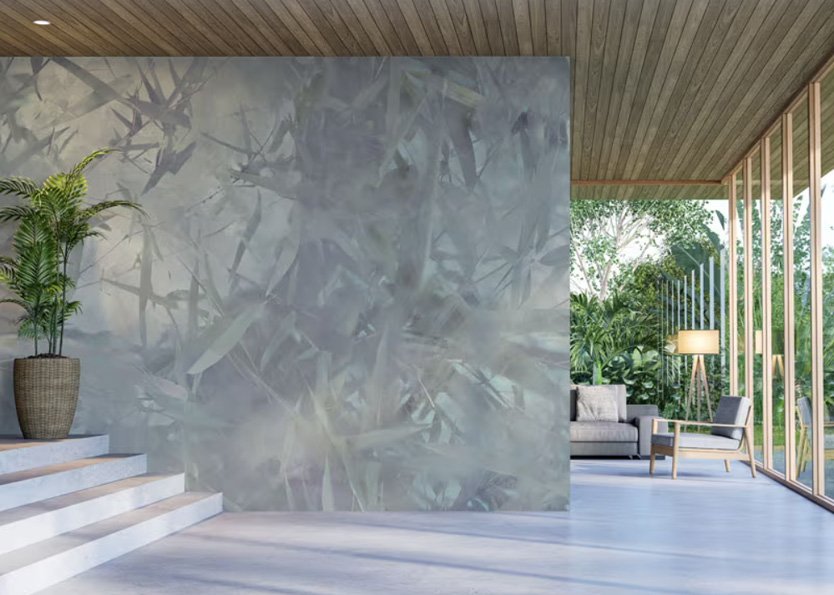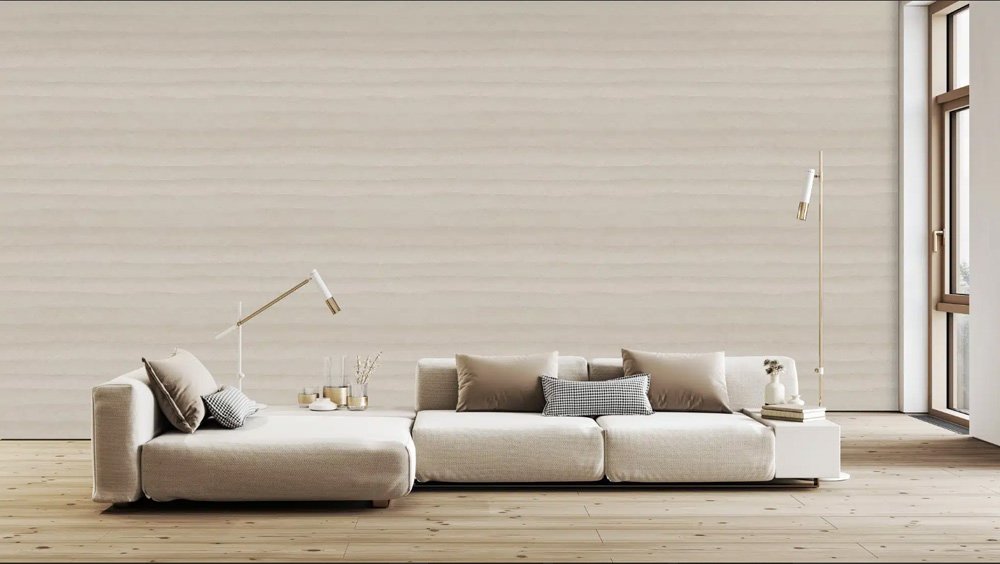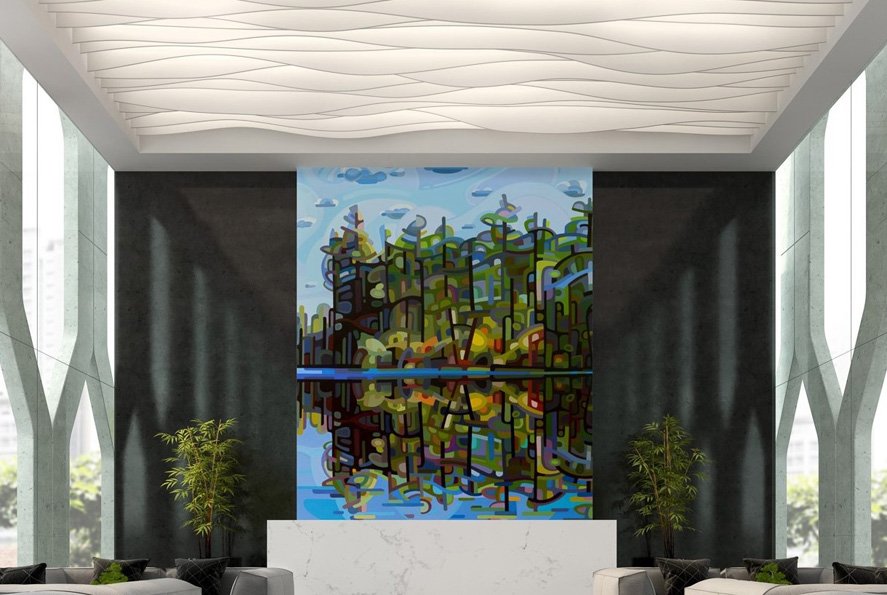
小区墙面设计的选择对于整个小区的装修效果至关重要。在选择墙面材料时,我们需要考虑多个因素,如美观度、耐用性、维护成本等。本文将通过定义、分类、举例和比较的方式来阐述小区墙面设计所需的相关知识。
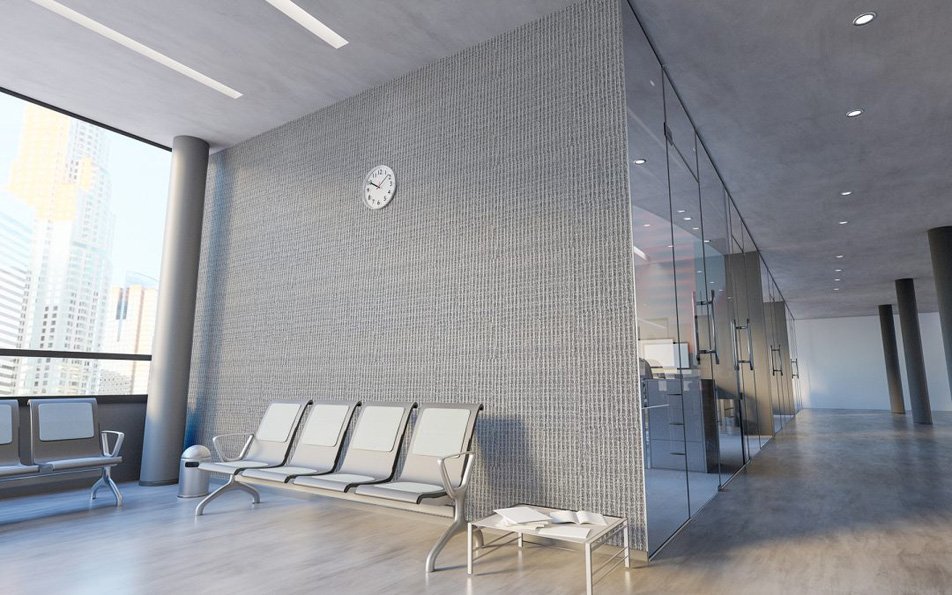
{image}墙面设计是小区装修中不可或缺的一部分,它不仅能够提升整体美观度,还能够影响住户的生活质量。在选择合适的墙面材料时,我们需要综合考虑多个因素,以确保选择的材料既满足美观度,又具备耐用性和易维护性。
1. 定义
小区墙面设计是指根据小区整体风格和居民需求,选择合适的材料进行墙面装饰。它可以包括墙面的颜色、材质、纹理等方面。
2. 分类
根据材料的特点和用途,小区墙面设计可以分为以下几类:
a) 瓷砖墙面:瓷砖是一种常见而实用的墙面材料。它具有防潮、防水、易清洁等优点,而且样式多样、色彩丰富,符合多种装修风格的需求。
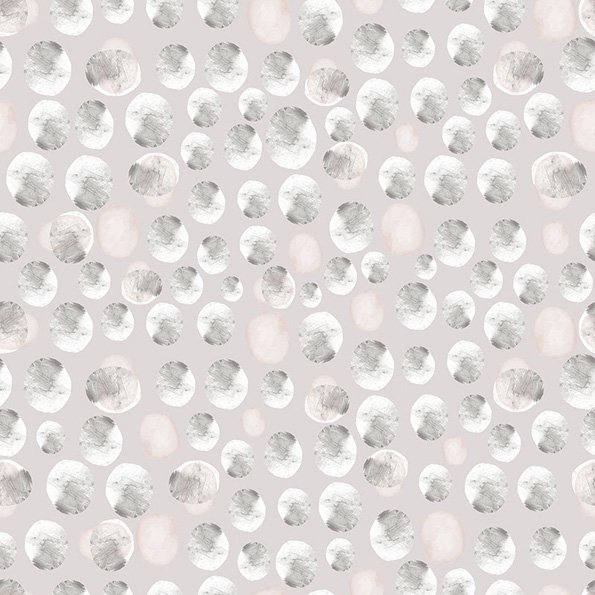
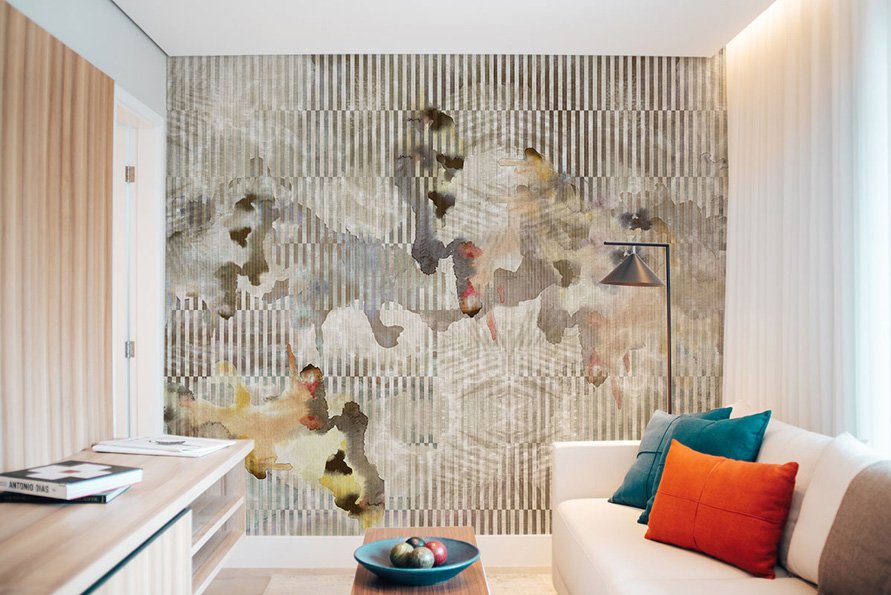
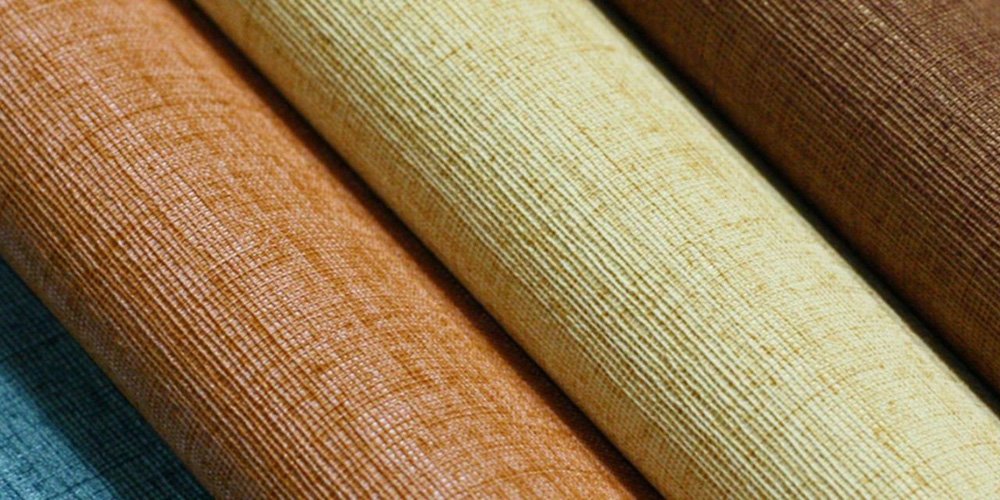
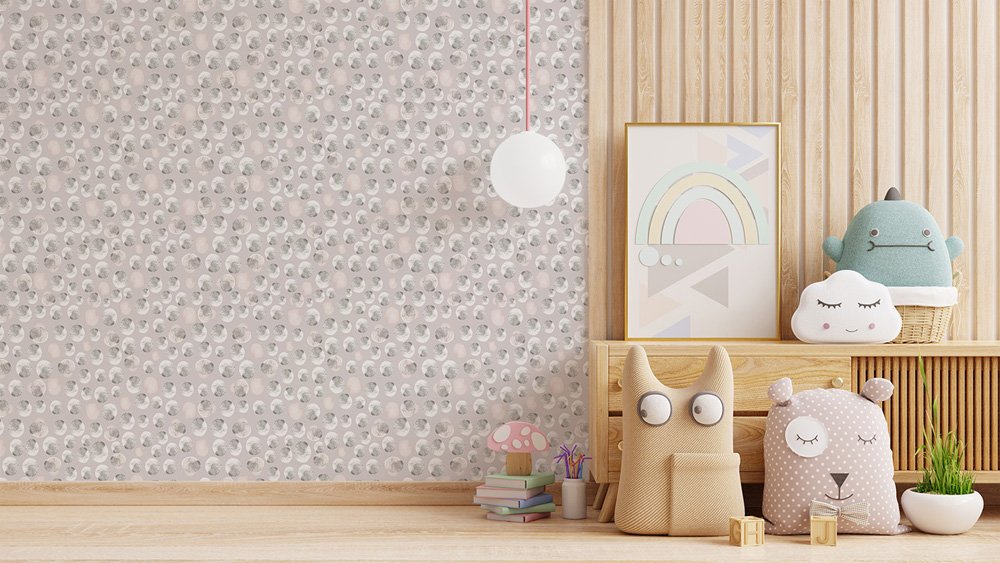
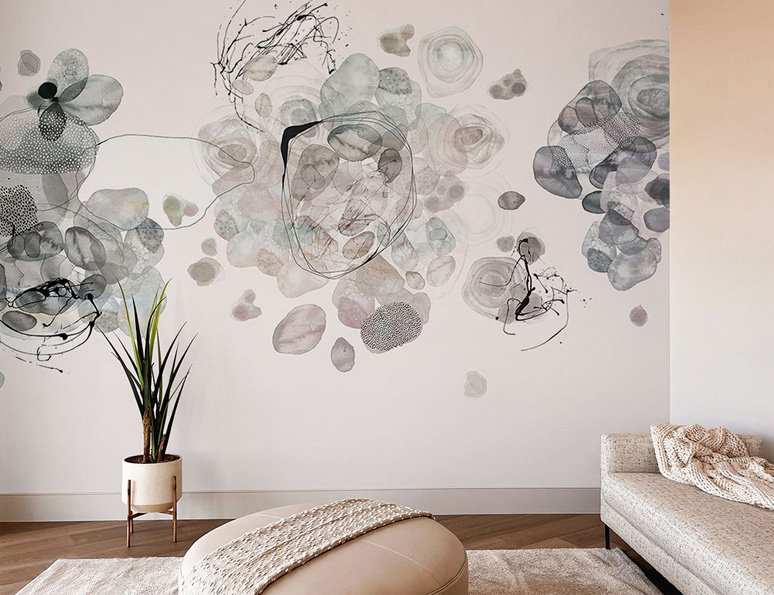
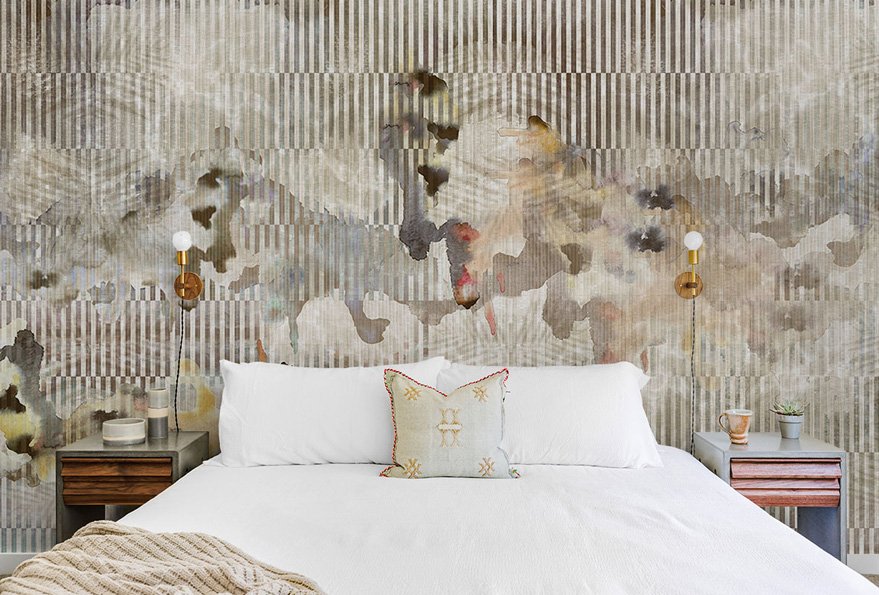
b) 壁纸墙面:壁纸是一种经济实惠的墙面装饰材料,它不仅具有丰富的色彩和纹理选择,还能够遮盖墙面的瑕疵和不平整。
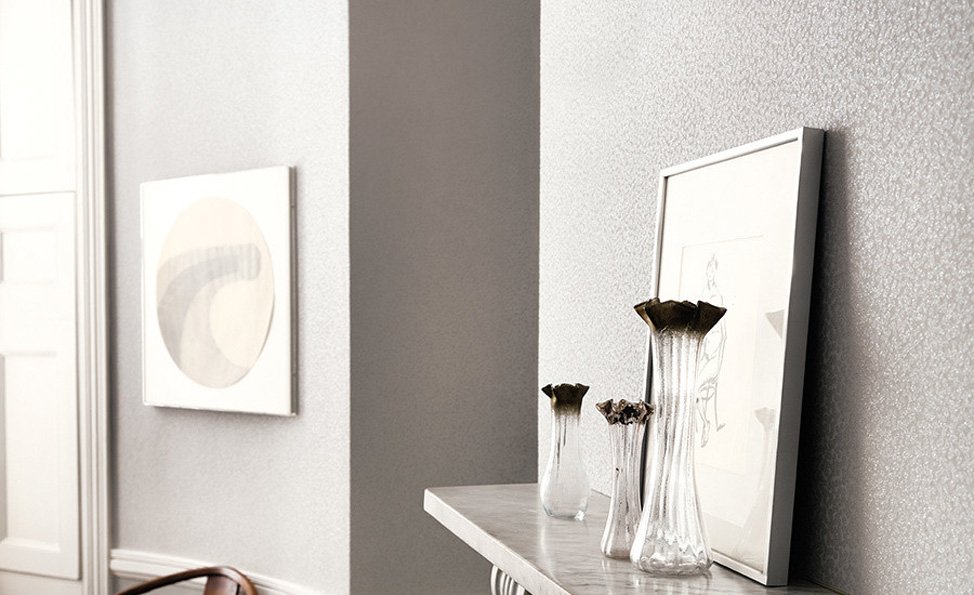
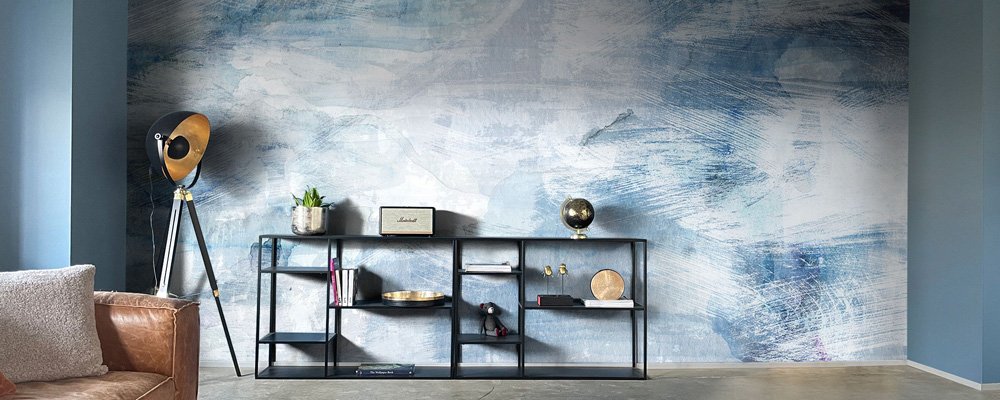
c) 涂料墙面:涂料是一种常见的墙面装饰材料,它具有施工方便、成本低廉的特点。涂料还有各种各样的效果可供选择,如哑光、亮光、纹理等。
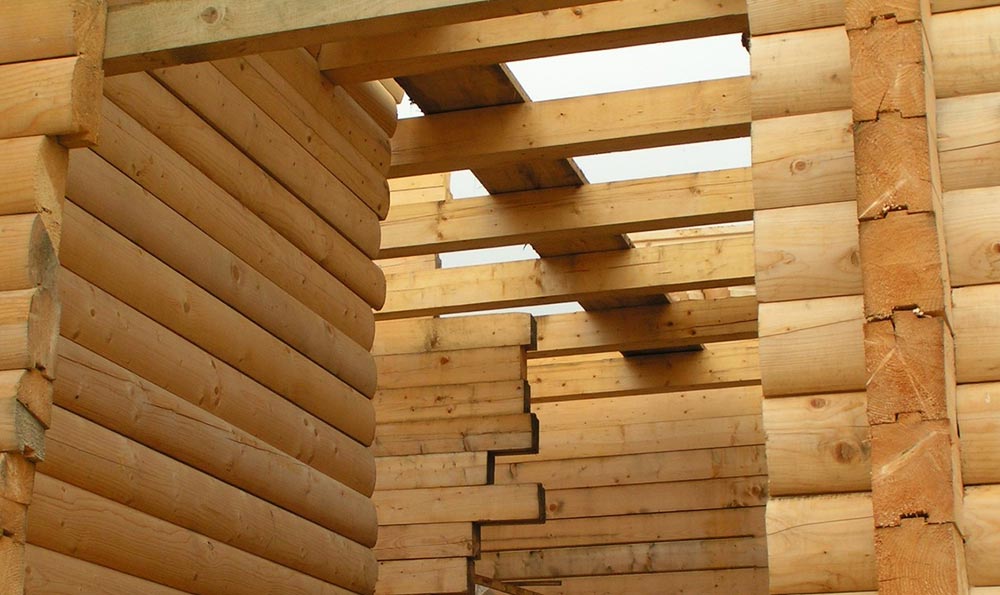
d) 木材墙面:木材墙面具有自然、温馨的特点,适用于营造舒适的居住环境。它可以通过涂漆、贴饰板等方式进行处理,以达到装饰和保护的效果。
e) 石材墙面:石材墙面常用于豪华小区的装修,它具有高贵、典雅的特点。石材还能够保持墙面的清洁,不易产生污渍。
3. 举例
为了更好地理解不同材料的特点,下面举例说明不同墙面材料的优劣势:
a) 瓷砖墙面的防水性能和易清洁的特点,使其成为厨房和浴室的首选材料。
b) 壁纸墙面的种类繁多,可以根据不同的装修风格选择不同的图案和颜色,以实现个性化的装饰效果。
c) 涂料墙面的施工方便和简洁的效果适用于整个小区的装修,既经济实惠又能够满足美观的要求。
d) 木材墙面的天然材料和独特的纹理给居住者带来了质朴、温馨的感觉。
e) 石材墙面常用于公共区域的装修,如大堂和走廊,它既能够提升整体豪华感,又能够承受高流量的使用。
4. 比较
不同的墙面材料有各自的优点和适用范围,我们可以从以下几个方面进行比较:
a) 美观度:瓷砖、壁纸和石材墙面在美观度方面较为突出,而涂料和木材墙面则营造出自然、温馨的氛围。
b) 耐用性:瓷砖、涂料和石材墙面具有较高的耐久性,可以长期保持美观。壁纸和木材墙面则需要定期更换或修复。
c) 维护成本:壁纸墙面需要定期更换和清洁,成本相对较高;而瓷砖、涂料和石材墙面的维护成本较低。
小区墙面设计是增加小区整体美观度的关键步骤。在选择墙面材料时,我们需要综合考虑美观度、耐用性和维护成本等因素。不同的墙面材料各有特色,我们可以根据小区的整体风格和居民的需求来选择合适的材料。通过本文的介绍,希望能够为小区墙面设计的选择提供一些参考和帮助。
【882】
装修墙面用什么材料好
{image title="装修墙面用什么材料好"}
装修墙面是室内装修中很重要的一环。选择合适的墙面材料可以提高房屋的美观度、耐用度和安全性。在市场上,有各种各样的墙面材料可供选择,如瓷砖、石膏板、乳胶漆等。本文将以客观、专业、清晰和系统的方式阐述“装修墙面用什么材料好”的相关知识。
I. 瓷砖
瓷砖是目前应用最广泛的墙面材料之一。它的主要特点是防水、耐磨、耐腐蚀、易清洁。瓷砖可以根据不同的颜色、纹理和规格来满足不同的装修需求。采用大理石质感的瓷砖可以营造出高雅的氛围,而采用彩色瓷砖可以增加房间的活力。
II. 石膏板
石膏板是一种轻质、环保的墙面材料。它具有良好的隔音、隔热性能,并且易于施工和拆卸。石膏板可以根据需要进行切割和设计,适用于各种不同的墙面形状和风格。在装修餐厅时,将石膏板用于造型天花板可以增加空间的层次感和艺术感。
III. 乳胶漆
乳胶漆是一种常用的墙面涂料。它具有施工方便、颜色鲜艳、环保无毒的特点。乳胶漆可以选择不同的颜色和质地,可以满足不同风格的装修需求。使用浅色乳胶漆可以营造出明亮、开放的氛围,而使用暗色乳胶漆可以营造出温馨、舒适的感觉。
比较:
在选择装修墙面材料时,需要考虑多个因素。瓷砖在防水性能和耐久性方面具有优势,适合用于厨房和浴室等湿度较高的区域。石膏板则适用于需频繁调整的区域,如商业空间。乳胶漆适用于需要频繁更换颜色的区域,如家居住宅。在选择墙面材料时,应根据具体需求综合考虑这些因素。
装修墙面是一个重要的环节,选择合适的墙面材料至关重要。本文介绍了瓷砖、石膏板和乳胶漆这三种常见的墙面材料,并对它们的特点进行了详细的阐述。在装修过程中,应根据具体需求综合考虑这些因素,选择最适合的墙面材料,以达到美观、耐用和安全的效果。
室内装修设计
{image title="室内装修设计"}
室内装修设计是指通过对室内空间进行规划、设计和装饰,以实现美观、实用和舒适的居住、工作或商业环境。它涉及到对空间的布局、材料的选择、色彩的搭配、家具的摆放等方面,是一门综合性的学科。本文将通过定义、分类、举例和比较等方法来介绍与室内装修设计相关的知识。
一、定义
室内装修设计是指对室内空间进行艺术创作和空间规划的过程。它包括了平面设计、构造设计和装饰设计等多个方面。通过对室内空间进行合理和创意的设计,可以营造出舒适、美观和实用的室内环境。
二、分类
室内装修设计可以根据不同的功能和类型进行分类。根据功能来分,可以分为住宅装修设计、商业装修设计、办公室装修设计等。根据类型来分,可以分为现代风格、欧式风格、中式风格等。不同的功能和类型有不同的要求和风格,设计师需要根据实际情况进行创意和设计选择。
三、举例
现代风格的室内装修设计注重简洁、舒适和实用,追求简约而不简单的设计风格。在材料的选择上,常使用玻璃、金属和木材等现代化的材料。色彩上以白色、灰色和黑色为主,搭配一些亮色作为点缀。家具以简约、线条流畅的现代家具为主。
欧式风格的室内装修设计追求高贵、浪漫和华丽的效果。在材料的选择上,常使用大理石、雕花木制品等具有欧洲传统风格的材料。色彩上以暖色调和金色为主,给人一种温暖的感觉。家具以雕花和曲线设计的华丽家具为主。
中式风格的室内装修设计追求自然、平和和典雅的效果。在材料的选择上,常使用竹子、红木和宜家木等具有中国传统特色的材料。色彩上以暖色调和自然色为主,给人一种宁静的感觉。家具以木质家具和传统的中国元素为主。
四、比较
不同的室内装修设计风格各有千秋。现代风格注重功能和实用,适合追求简约和舒适的人群;欧式风格追求高贵和浪漫,适合追求华丽和浪漫的人群;中式风格追求自然和典雅,适合追求传统和宁静的人群。设计师需要根据客户的需求和喜好综合考虑各种因素,选择适合的装修风格。
室内装修设计是一门综合性的学科,它不仅需要设计师具备艺术和创意的能力,还需要有对空间规划和材料运用的专业知识。通过合理的布局和创意的设计,室内装修设计可以为人们创造出美观、实用和舒适的居住和工作环境。
Interior Decoration Design
Introduction:
Interior decoration design refers to the process of planning, designing, and decorating the interior space to achieve a beautiful, practical, and comfortable living, working, or commercial environment. It involves space layout, material selection, color coordination, furniture placement, and more, making it a comprehensive discipline. This article will use methods such as definition, classification, examples, and comparisons to expound on the relevant knowledge of interior decoration design.
Body:
I. Definition
Interior decoration design refers to the artistic creation and spatial planning of the interior space. It includes aspects such as plane design, structural design, and decorative design. By designing the interior space reasonably and creatively, a comfortable, beautiful, and practical interior environment can be created.
II. Classification
Interior decoration design can be classified according to different functions and types. Based on function, it can be divided into residential decoration design, commercial decoration design, office decoration design, etc. Based on type, it can be divided into modern style, European style, Chinese style, etc. Different functions and types have different requirements and styles, and designers need to make creative design choices based on actual situations.
III. Examples
Modern style interior decoration design emphasizes simplicity, comfort, and practicality, pursuing a concise yet not simple design style. In terms of material selection, modern materials such as glass, metal, and wood are commonly used. The color scheme mainly consists of white, gray, and black, with some bright colors as accents. Furniture mainly consists of modern furniture with simple and flowing lines.
European style interior decoration design pursues noble, romantic, and gorgeous effects. In terms of material selection, traditional European materials such as marble and carved wooden products are commonly used. The color scheme is mainly warm tones and gold, giving a warm feeling. Furniture mainly consists of elaborate and curved design furniture.
Chinese style interior decoration design pursues a natural, peaceful, and elegant effect. In terms of material selection, traditional Chinese materials such as bamboo, redwood, and Yijia wood are commonly used. The color scheme mainly consists of warm and natural colors, giving a sense of tranquility. Furniture mainly consists of wooden furniture and traditional Chinese elements.
IV. Comparison
Different interior decoration design styles have their own merits. The modern style emphasizes functionality and practicality, suitable for those pursuing simplicity and comfort. The European style pursues nobility and romance, suitable for those pursuing elegance and romance. The Chinese style pursues nature and elegance, suitable for those pursuing tradition and tranquility. Designers need to consider various factors comprehensively according to the client's needs and preferences to choose the appropriate decoration style.
Conclusion:
Interior decoration design is a comprehensive discipline that requires designers to possess artistic and creative abilities as well as professional knowledge of spatial planning and material application. Through reasonable layout and creative design, interior decoration design can create beautiful, practical, and comfortable living and working environments.