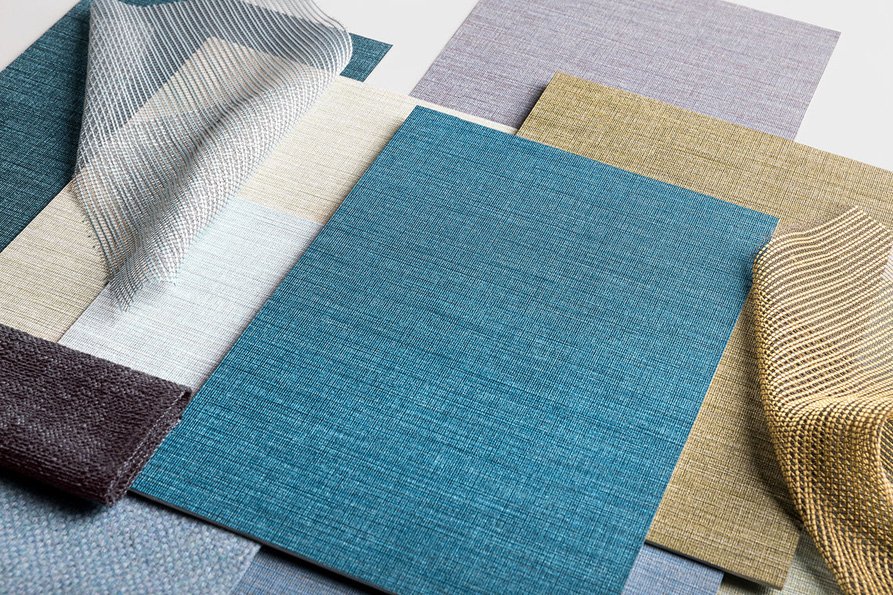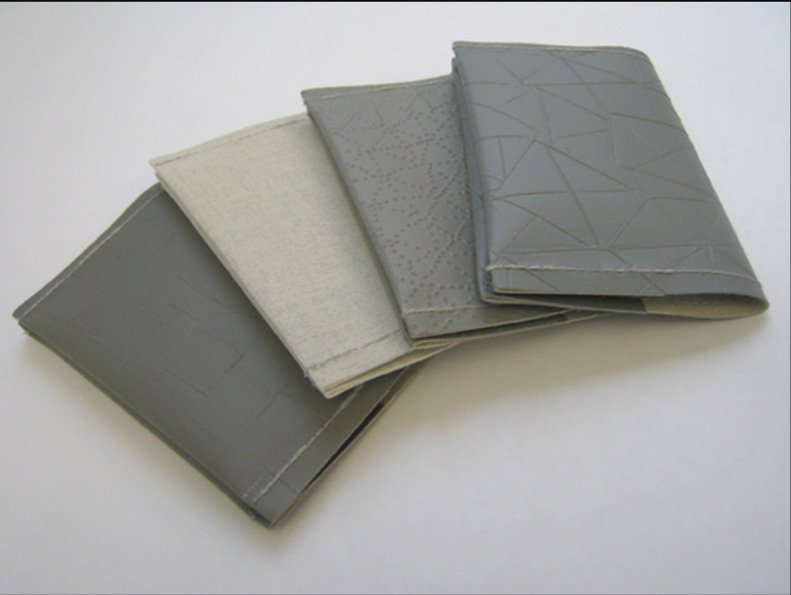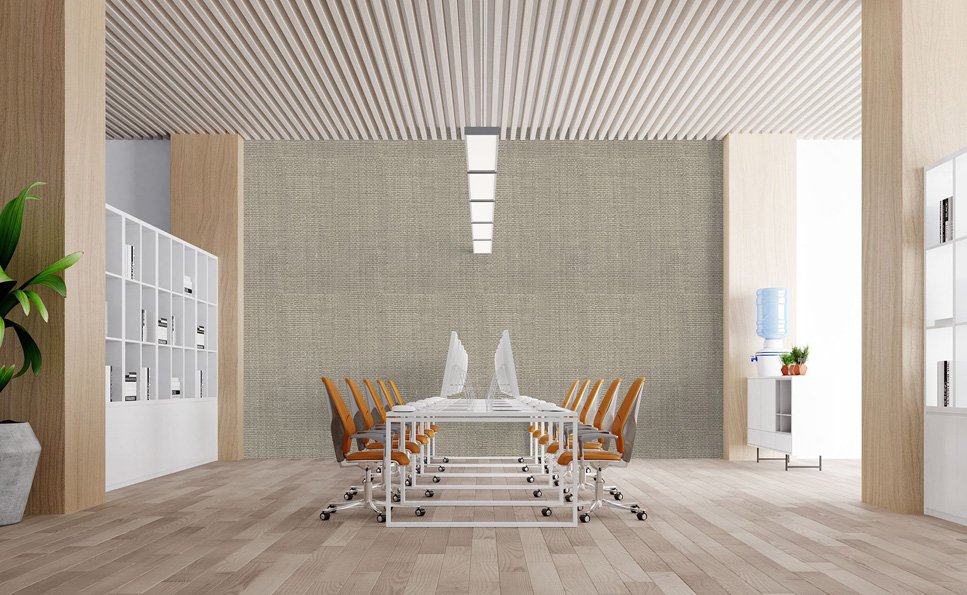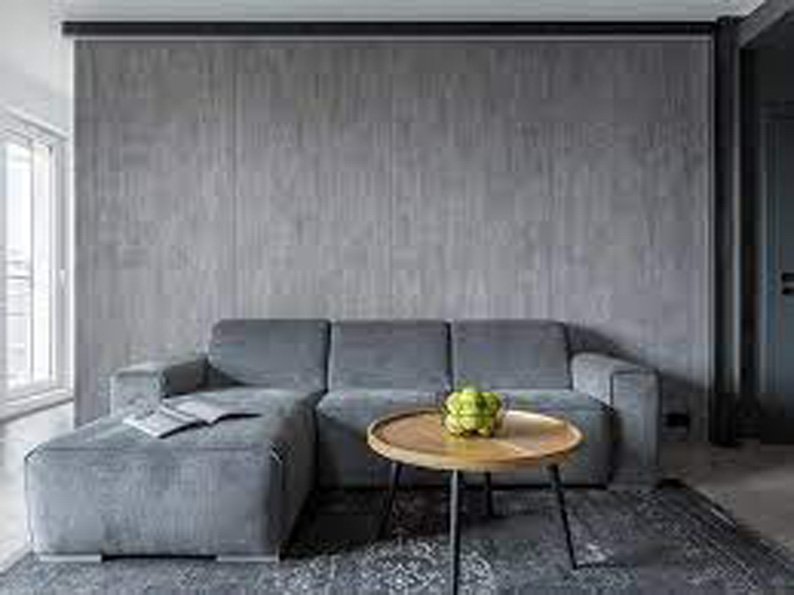
在家居装饰行业中,无纺布墙布因其环保、易安装和多样的设计被广泛应用。正如任何产品一样,无纺布墙布也存在一些缺点。本文将重点介绍无纺布墙布的缺点,并探讨如何应对这些问题。
本文将分为三个部分,无纺布墙布的材质缺点,无纺布墙布的使用限制,无纺布墙布的维护和清洁困难。通过这样的结构,读者能够清晰地了解无纺布墙布的缺点和应对方法。
无纺布墙布的材质缺点:
无纺布墙布的主要缺点之一是其材质不耐磨损。相比传统墙布,无纺布墙布容易受到家具、装饰品等物品的刮擦,从而导致表面破损。无纺布墙布的防水性能也较差,遇到水流容易渗透,导致污渍和变形。在选购无纺布墙布时,消费者应注意选择质量较好的产品,或者通过其他防护措施来延长使用寿命。
无纺布墙布的使用限制:
无纺布墙布的另一个缺点是其在特定场景下的使用限制。由于无纺布墙布的材质特性,它通常不适用于湿润的环境,如浴室或洗手间。无纺布墙布的隔音性能也较差,不能有效减少噪音传播。在选择装饰材料时,消费者需要根据不同房间的实际需求来进行选择,以避免无纺布墙布的使用限制。
无纺布墙布的维护和清洁困难:
由于无纺布墙布的材质特性,其维护和清洁较为困难。相比传统墙布,无纺布墙布不耐刷洗,一旦出现污渍,清洁起来较为困难。无纺布墙布也不适合常规的洗衣机清洁,需要采用特殊的清洁方法,增加了使用者的维护成本和麻烦。在选择无纺布墙布时,消费者应注意材质的清洁性能,并提前做好维护和清洁准备。
虽然无纺布墙布具有许多优点,但也存在一些缺点。在选择和使用无纺布墙布时,消费者应注意材质的耐磨性、防水性能以及是否适用于特定场景。维护和清洁也是使用者需要考虑的重要问题。只有了解和应对这些缺点,才能更好地享受无纺布墙布带来的装饰和舒适。
Non-woven wall covering is widely used in the home decoration industry due to its environmental friendliness, easy installation, and versatile designs. However, like any product, non-woven wall covering also has its drawbacks. This article focuses on discussing the disadvantages of non-woven wall covering and exploring ways to address these issues.
The article will be divided into three parts. Firstly, the material drawbacks of non-woven wall covering will be discussed. Secondly, the usage limitations of non-woven wall covering will be explored. Lastly, the difficulties in maintaining and cleaning non-woven wall covering will be addressed. Through this structure, readers will gain a clear understanding of the disadvantages of non-woven wall covering and how to cope with them.
One of the main drawbacks of non-woven wall covering is its susceptibility to wear and tear. Compared to traditional wall coverings, non-woven wall covering is more easily scratched by furniture and decorations, leading to surface damage. Additionally, non-woven wall covering has poor waterproof performance and is prone to stains and deformation when exposed to water. Therefore, when purchasing non-woven wall covering, consumers should pay attention to selecting products of higher quality or take other protective measures to extend its lifespan.
Another drawback of non-woven wall covering is its usage limitations in specific scenarios. Due to the material characteristics of non-woven wall covering, it is typically unsuitable for moist environments such as bathrooms or washrooms. Moreover, non-woven wall covering has poor sound insulation, failing to effectively reduce noise transmission. Therefore, consumers need to choose decorative materials based on the actual needs of different rooms to avoid the usage limitations of non-woven wall covering.
Maintaining and cleaning non-woven wall covering can also be challenging due to its material characteristics. Compared to traditional wall coverings, non-woven wall covering is not resistant to brushing and washing, making it difficult to clean once stains appear. Additionally, non-woven wall covering is not suitable for regular washing machine cleaning and requires special cleaning methods, which increase the maintenance costs and trouble for users. Hence, when selecting non-woven wall covering, consumers should pay attention to the material's cleaning performance and make necessary preparations for maintenance and cleaning.
In conclusion, although non-woven wall covering has many advantages, it also has several disadvantages. When choosing and using non-woven wall covering, consumers should consider its wear resistance, waterproof performance, and suitability for specific scenarios. Additionally, maintenance and cleaning are important issues to be considered. Only by understanding and addressing these drawbacks can users fully enjoy the decorative and comfortable features of non-woven wall covering.
无纺布墙布厚的好还是薄的好
无纺布墙布是一种常见的装饰材料,具有防水、防尘、绝热、隔音等特点,因此在家庭装修和商业场所设计中广泛使用。而在选择无纺布墙布时,很多人会犯愁:厚的好还是薄的好?本文将从多个方面进行论述,以帮助读者做出明智的选择。

无纺布墙布的厚度直接影响其使用寿命和耐久性。较厚的无纺布墙布更加坚韧耐用,不易磨损、变形和褪色。尤其是在高人流量场所,如商场、酒店等,选择较厚的墙布可以增加其使用寿命,减少更换频率,从而节省维修和更换的成本。
厚的无纺布墙布具有更好的隔音和隔热效果。无论是家庭还是商业场所,隔音和隔热都是非常重要的因素。墙布的厚度决定了其对声音和热量的吸收和隔离能力。相较于薄的墙布,厚的墙布可以更好地隔绝外界噪音和温度,创造一个安静、舒适的环境。
较厚的无纺布墙布也存在一些缺点。厚度较大的墙布在安装时需要更多的时间和精力。较厚的墙布可能会增加墙面的负荷,进而影响墙面的稳定性。在选择厚度时,需要综合考虑安装条件和墙壁结构的承受能力。
薄的无纺布墙布也有其独特的优势。薄的墙布更加柔软,易于折叠和携带,方便运输和安装。薄的墙布通常价格更低,适合预算有限的消费者。薄的墙布常常具有更多的样式和花色选择,可以满足不同消费者的个性化需求。
无纺布墙布的厚度选择既关乎耐久性和隔音隔热效果,也与安装和经济因素有关。在选择墙布时,消费者需要根据具体的使用场所、预算和个人需求综合考虑。无论是较厚的墙布还是薄的墙布,只要符合实际需求,都能够带来良好的装饰效果和使用体验。选择合适的无纺布墙布,将为家居和商业空间增添无限魅力。
无纺布墙布价格多少钱一平方
无纺布墙布是一种新型环保材料,具有防水、防潮、抗菌、抗静电等优点,被广泛应用于家居装饰、医疗卫生、工业过滤等领域。许多人对于无纺布墙布的价格一直心存疑虑。本文将探讨无纺布墙布价格的因素,并给出一些参考价位,帮助读者更好地了解该行业。

无纺布墙布的价格受多种因素影响,包括市场需求、原材料成本、生产工艺以及品牌溢价等。市场需求的增加会导致价格上涨,而原材料成本的波动也会对价格产生直接影响。生产工艺的不同以及品牌的差异也会导致无纺布墙布价格的差异化。
根据市场调研和价格监测,无纺布墙布的价格一般在10-50元/平方之间,具体价格还需根据品牌、规格、质量等因素进行评估。在同一品牌下,不同规格的无纺布墙布价格可能有所差异,越厚、越密的无纺布墙布价格会相对较高。品牌的知名度和口碑也会对价格产生影响,一些知名品牌往往有较高的品牌溢价。
如何合理选择无纺布墙布呢?消费者应根据自身需求和预算来选择合适的规格和质量。建议消费者多比较不同品牌的价格和质量,以及了解其售后服务情况。购买无纺布墙布时,还应留意是否有批发优惠或促销活动,以获得更好的价格。
无纺布墙布的价格受多种因素影响,一般在10-50元/平方之间。消费者在选择时应根据自身需求、预算和品牌口碑加以综合考虑。随着人们对环保材料的需求增加,无纺布墙布市场有望进一步发展壮大,价格也可能会随之变动。了解市场动态,多方比较和选择,才能获得性价比最高的无纺布墙布产品。